
Category: Judaïsme et Torah
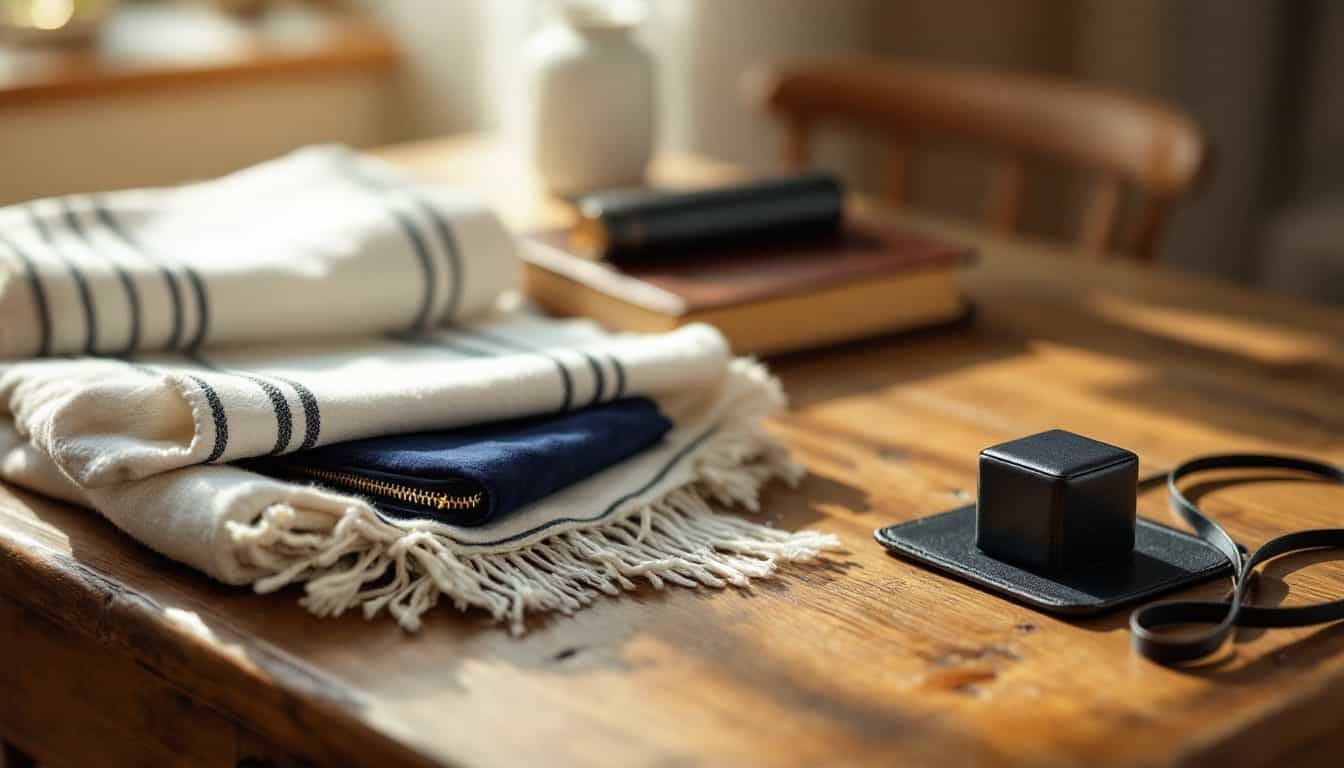
Two black leather boxes on the arm and on the head: what do tefillin contain, why are they worn every morning, and what do the Torah, the Talmud and Rav Benizri say about this sign of the covenant?
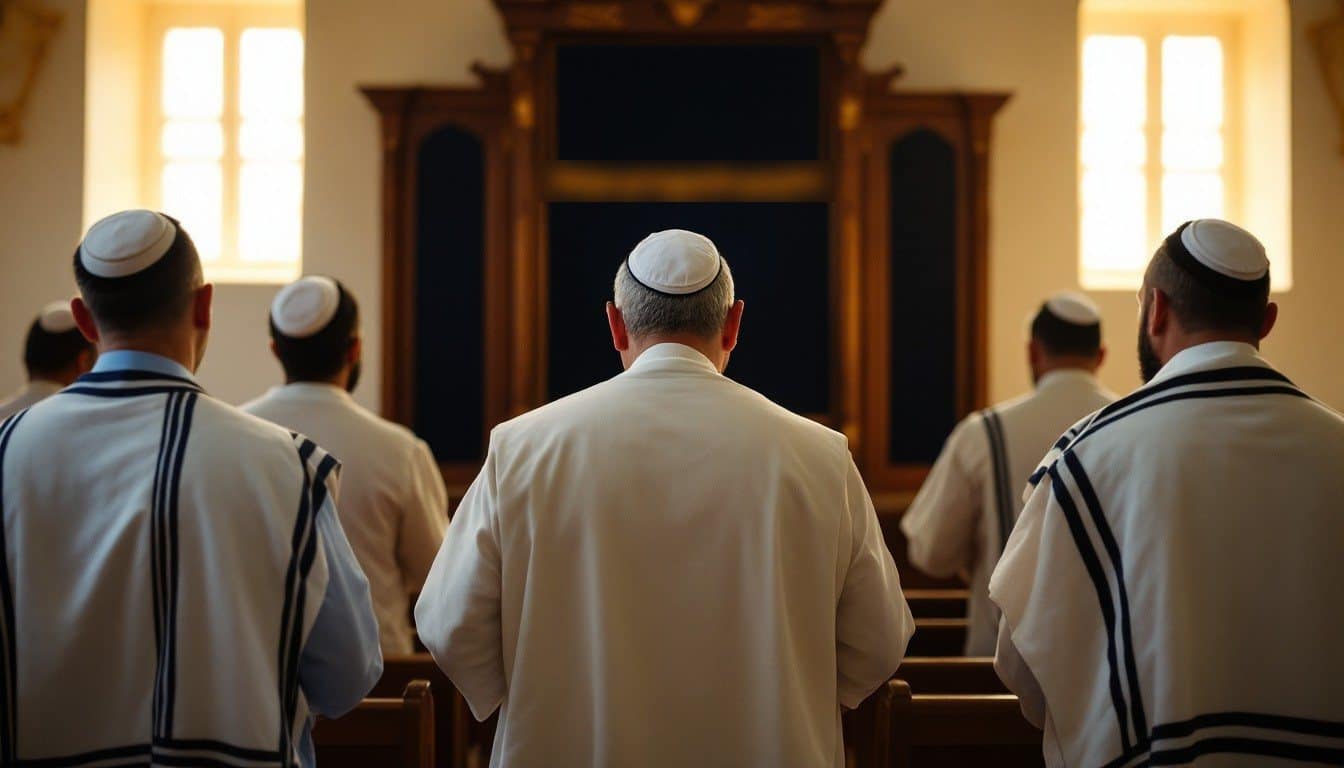
Wrongly called the "prayer for the dead", the Kaddish never mentions death: it is a praise of the Name of G-d. What it says, where it comes from, and why bereaved children recite it for eleven months.
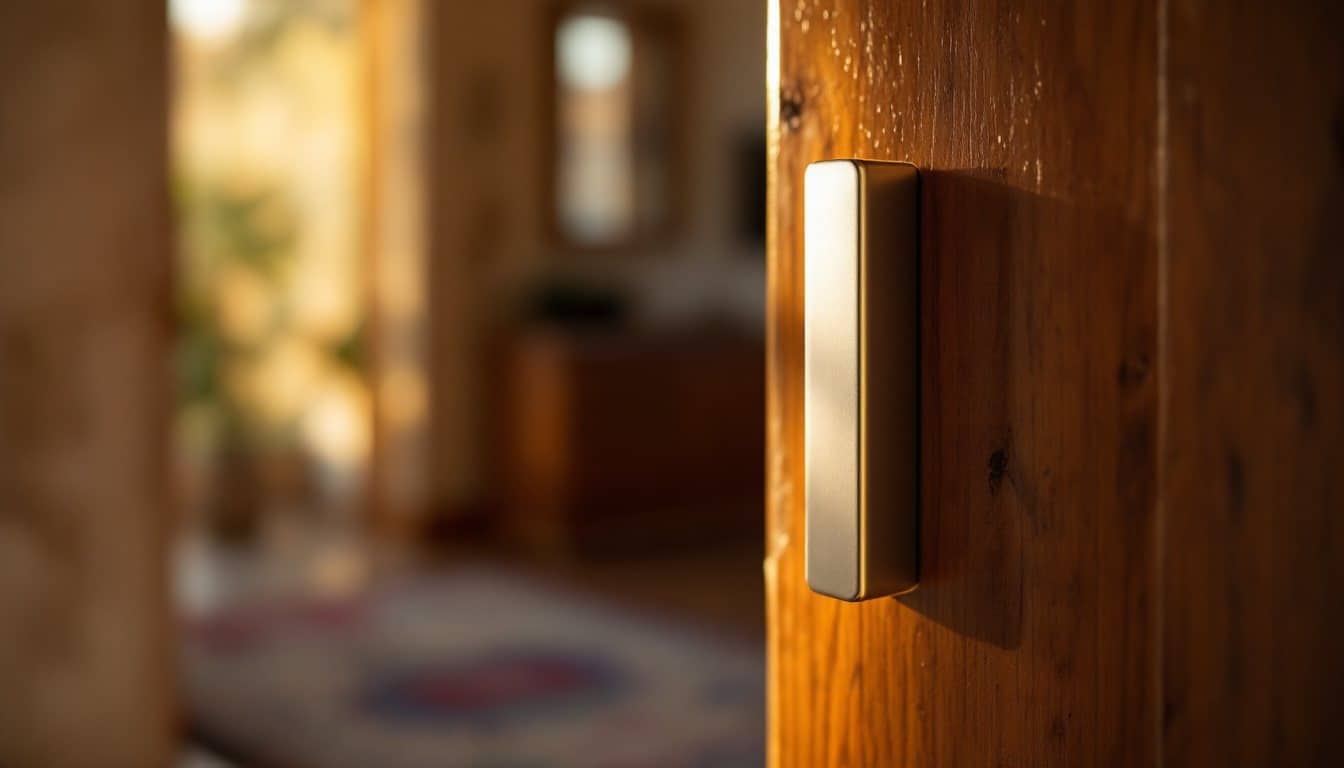
This small case fixed at a slant on the doorpost holds a handwritten parchment scroll: the mezuzah. What it contains, why people kiss it as they pass, how to put it up and what it means.
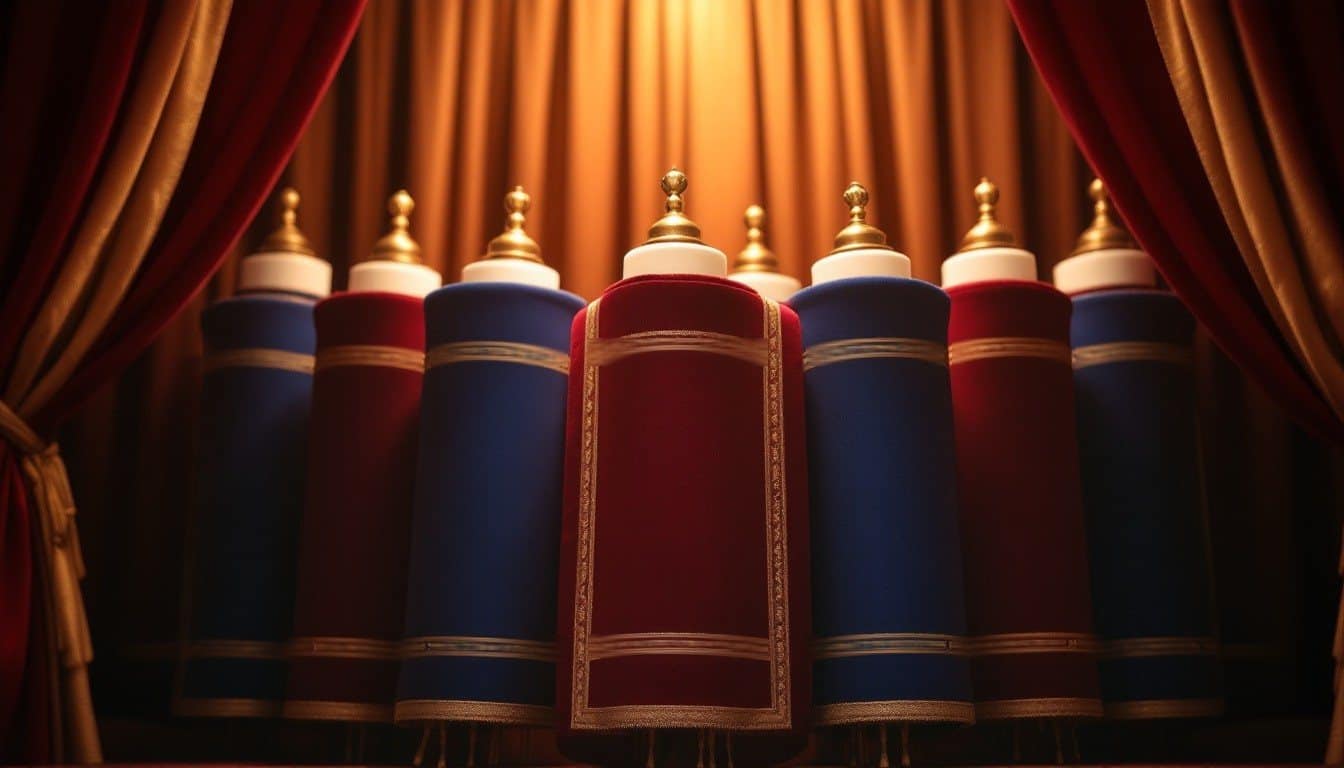
A book, a law, a Bible? The meaning of the word Torah, its five books, the Written and Oral Torah, the hand-copied scroll and its unique place in Jewish life.
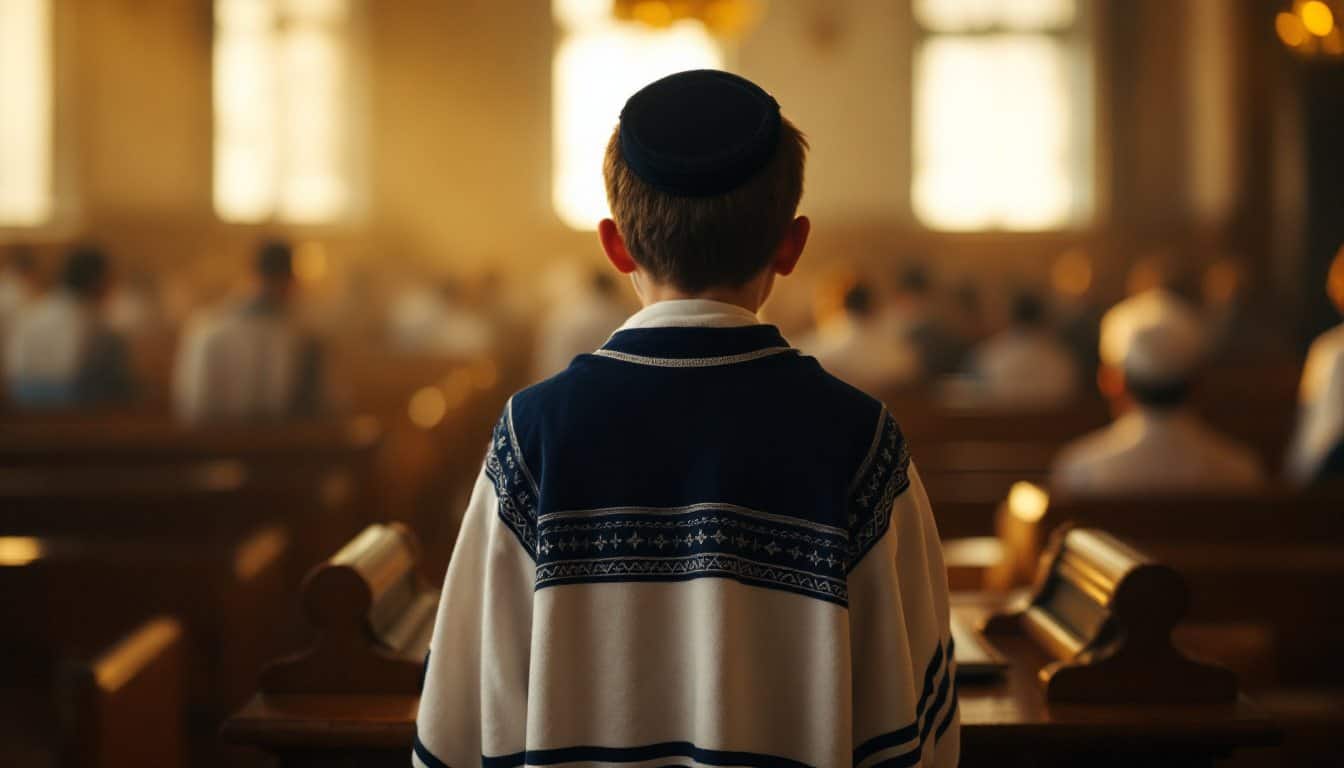
Thirteen for a boy, twelve for a girl: what bar mitzvah and bat mitzvah mean, where these ages come from, how they are celebrated, and why becoming a "son of the commandment" is a beginning.
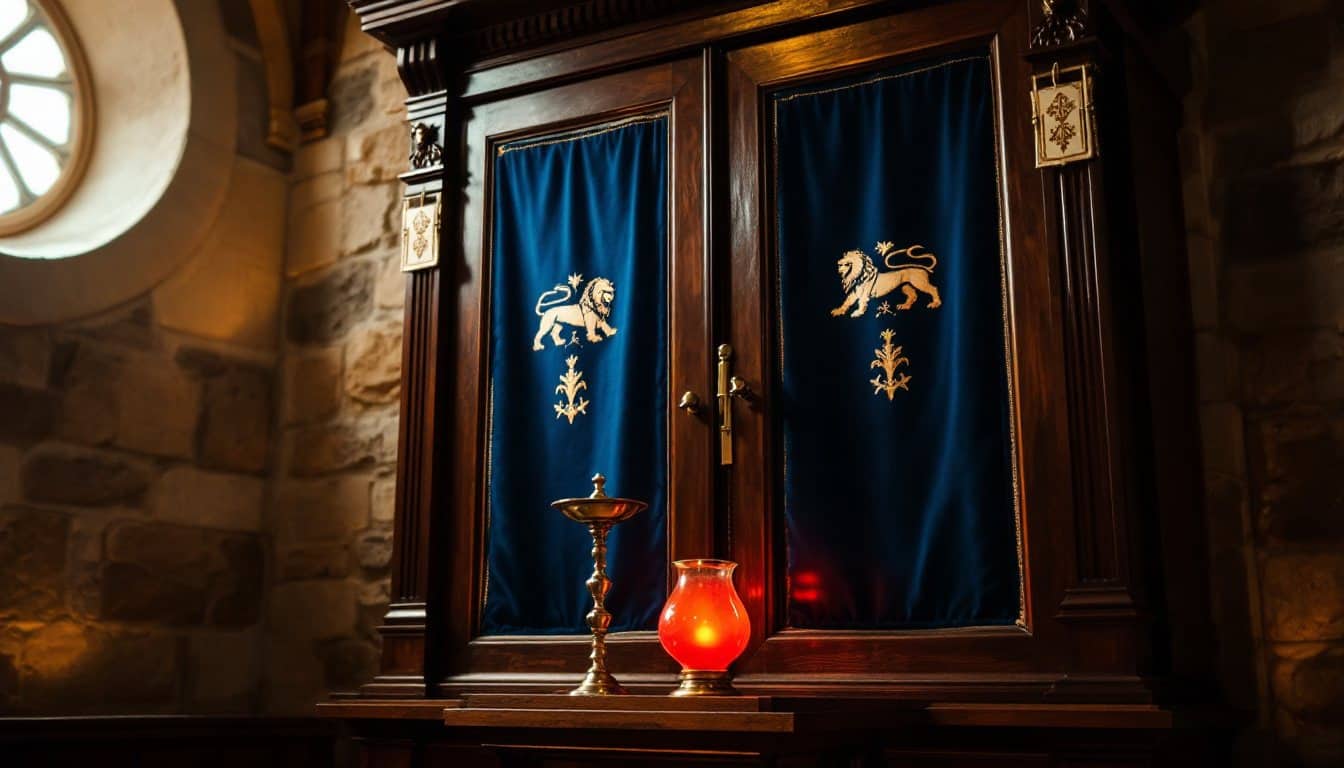
The synagogue, the "house of assembly", is the "small sanctuary" of the Jewish people: a place to pray, read the Torah and study. Its history, the holy ark, the minyan of ten and the meaning of communal prayer.
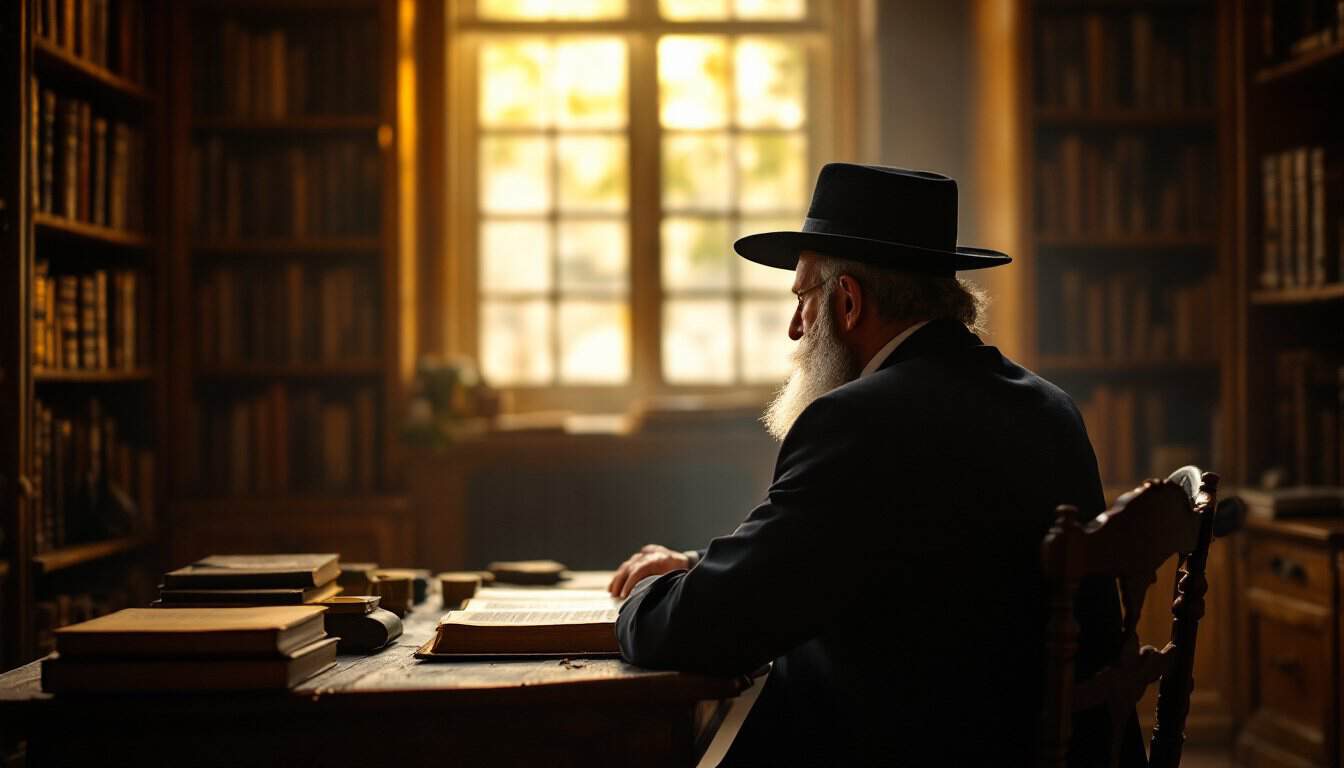
A rabbi is neither a priest nor an intermediary: he is a master of Torah, a link in a chain that goes back to Moshe. Origin of the title, role, ordination, chief rabbis and the path to becoming one.

Why do Jews never mix meat and milk, not even a little butter or cream? The verse repeated three times in the Torah, how the Talmud reads it, the practical rules and the reasons for this separation.

No verse commands dressing in black and white. So where does the attire of Orthodox and Hasidic Jews come from, and why a hat over the kippah? Sources, reasons and history.
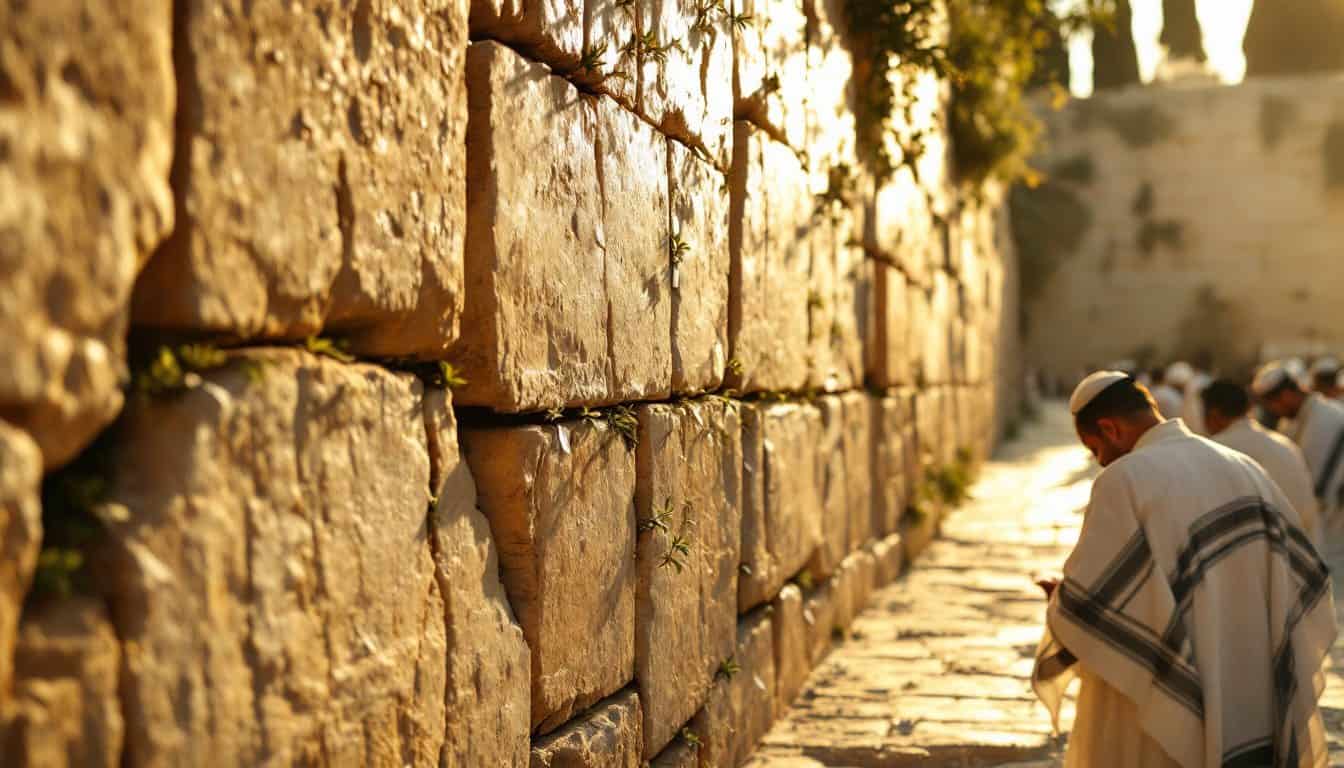
The swaying you see at the Western Wall is not a trance: its sources, its historical and mystical reasons, its place in Jewish prayer and the meaning of the word amen.