
Category: Judaïsme et Torah
Purim commemorates the salvation of the Jews of the Persian empire threatened by Haman. The story of Esther, the four mitzvot, wine, costumes, the book's place in the canon and what scholarship says.
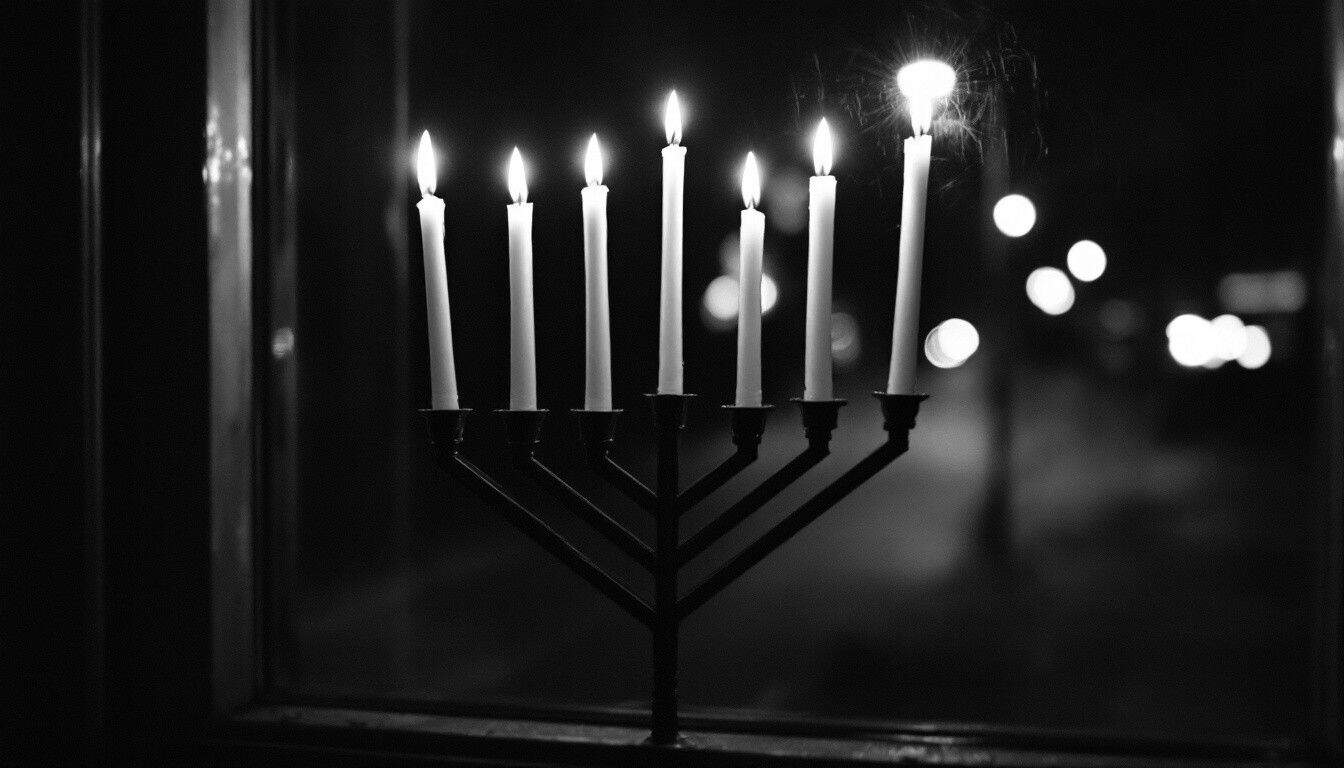
Chanukah is not in the Torah: it is a festival of the Sages recalling the purification of the Temple and the dedication of the altar. History, the Talmud text, eight days, the lights, customs and readings.
Why are ten people needed to say Kaddish or read the Torah, and why do Jews pray three times a day? Texts from the Mishnah, Talmud, Rambam and Shulchan Aruch, including differing opinions.

The mikveh is not a hygienic bath but a ritual pool of natural water, of at least forty seah, in which one changes status: family purity, conversion, utensils. Talmudic sources, halachic debates, archaeology and the meaning of immersion.

Kabbalah is the mystical tradition of Judaism, received from master to disciple. Talmudic sources, Zohar, sefirot, the Ari, conditions of study according to the Shach and the Rema, the red string.
Courts, blasphemy, idolatry, forbidden unions, murder, theft, a limb from a living animal: the sugya of Sanhedrin 56a-b, the Rambam, the Ramban, the Meiri, the status of the non-Jew and Rav Benizri's teaching.
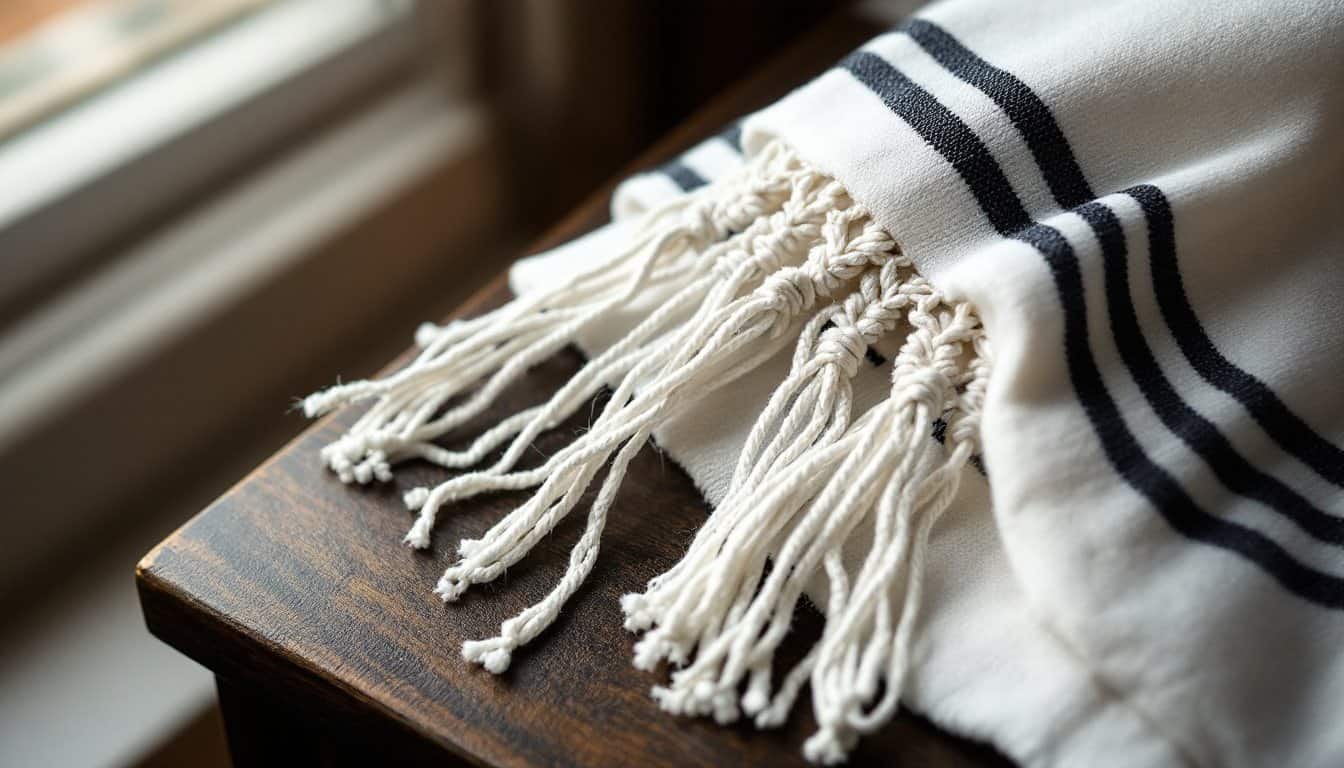
The white strings that hang out from under a shirt or from a prayer shawl are a commandment of the Torah: tzitzit. Their origin, how they are made, the mystery of the blue thread and their deeper meaning.
Why is Jewish identity passed down through the mother, and how does one become Jewish through conversion? The sources in the Torah and the Talmud, the example of Ruth, the stages of giyur and the teaching of Rav Benizri.
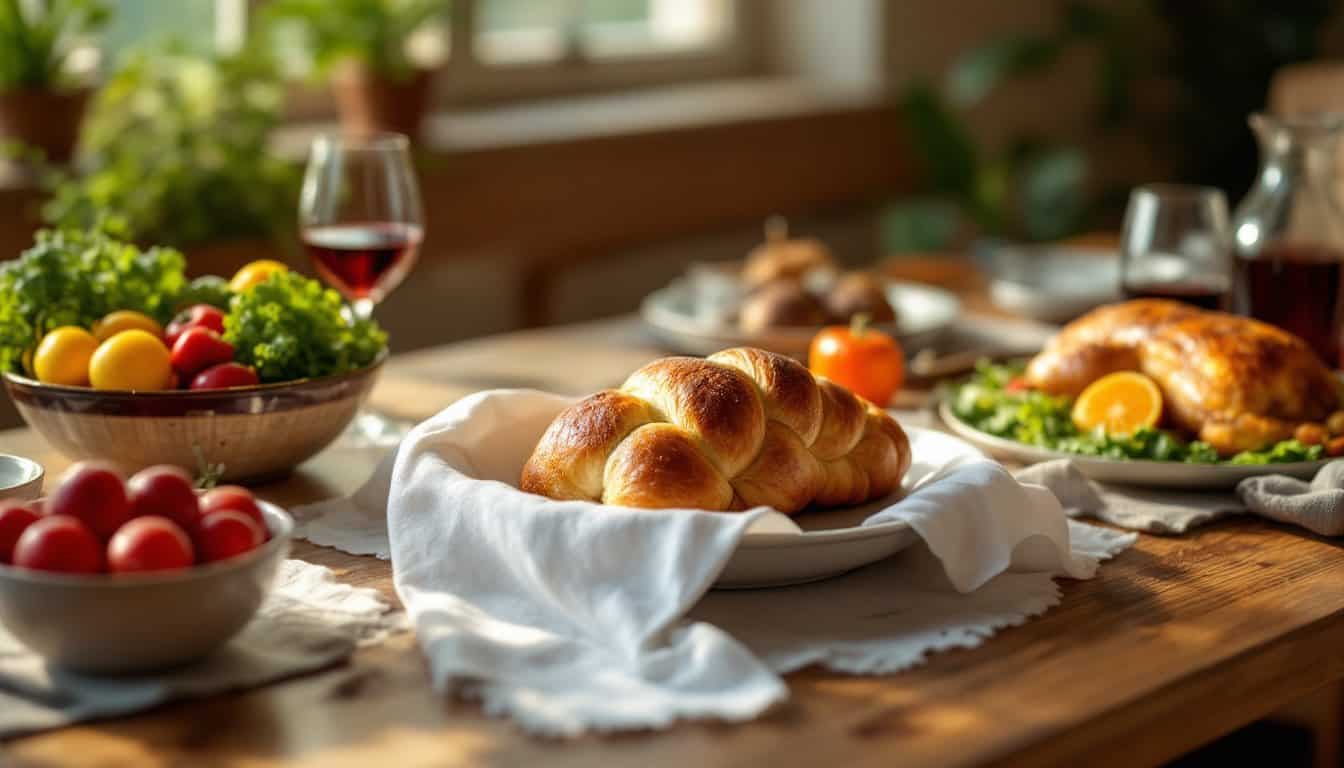
What does kosher mean and why do Jews eat kosher? The meaning of the word, the rules of the Torah, ritual slaughter, the separation of milk and meat, and the deeper reasons behind kashrut.

The Talmud is the Oral Torah set down in writing: the Mishna and the Gemara, in two versions, from Jerusalem and from Babylonia. Its definition, history, method and place in Jewish life.