
Category: Judaïsme et Torah

The get is a document written for a specific wife and handed over by the husband before witnesses: it alone dissolves a religious marriage. Talmudic sources, Rabbeinu Gershom's decree, compulsion of the husband, agunot, history and misconceptions.

A Sefer Torah is copied by hand on parchment by a sofer, with a prescribed ink and reed and the intention of holiness. Talmudic sources, Rambam and the Shulchan Aruch, scribal differences, errors, genizah, archaeology.

Terumah for the kohen, first tithe for the Levite, second tithe in Jerusalem, tithe for the poor: the Torah's system of agricultural separations, its sources and what remains of it, distinguished from tithing income.

Every seven years the Land of Israel rests and debts are released; every fifty years the Jubilee returns the land and frees slaves. Sources, prozbul, heter mechira and moral readings.

Reincarnation (gilgul) is neither in the written Torah nor in the Talmud: it is born in Kabbalah and unfolds with the Ari. Resurrection, Maimonides' thirteen principles, opponents and proponents, the suffering of the righteous: the texts, without dogma.
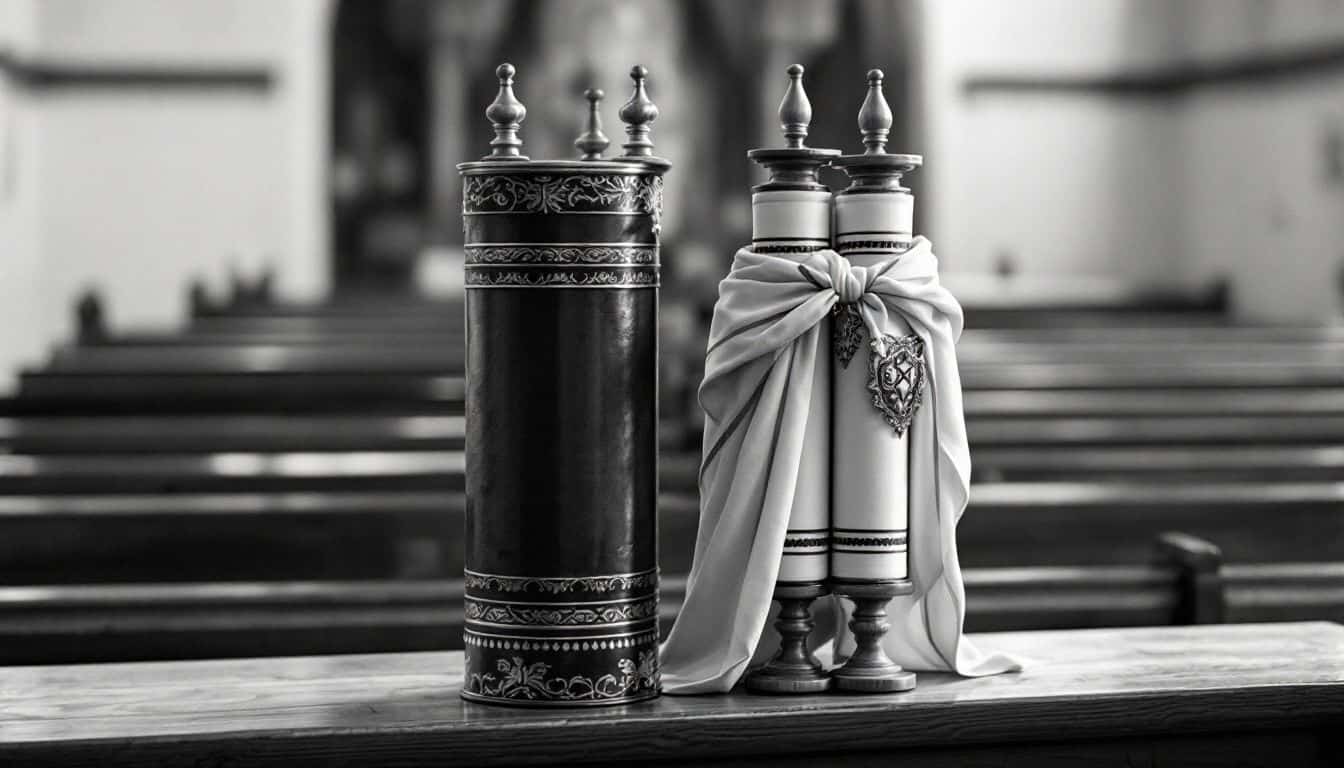
One people, one Torah, but two histories of exile and two traditions of halakhic decision: Rabbi Yosef Karo for the Sephardim, the Rema for the Ashkenazim. Origin of the names, sourced examples of differences and common misconceptions.

Born in the eighteenth century in Eastern Europe around the Baal Shem Tov, Hasidism places joy, sincere prayer and attachment to G-d at the center of Jewish life. Origins, texts, the quarrel with the Mitnagdim and the main currents.

Maimonides' thirteen principles sum up what a Jew is to believe: G-d, prophecy, the Torah, divine justice, the Mashiach, the resurrection. Texts, medieval critiques (Raavad, Albo), Yigdal and Ani Maamin.

Tanakh is the acronym of Torah, Neviim and Ketuvim: twenty-four books read together with the oral Torah. Talmudic order, authorship in tradition, the canon, the Tiberian codices, the Dead Sea Scrolls, liturgical reading and the debate with modern criticism.

Kohanim, Levites, Israelites: three statuses inherited from the father, with distinct duties and honors. Biblical origins, rules of holiness, the order of Torah call-ups, the Levi's role, halakhic debates, and what history and genetics add.