
Category: Judaïsme et Torah

Lighting the candles is an obligation of rabbinic origin for everyone, with a particular exhortation to the woman of the house. Sources, reasons, practical rules and history.
Havdalah separates Shabbat from the week: a cup of wine, spices, a flame, a blessing. Sources from the Torah, the Talmud, the Rambam and the Shulchan Arukh, practical rules and customs.
Simchat Torah closes Sukkot with the end and restart of the Torah reading. Shemini Atzeret, hakafot, joy as a mitzvah: Talmudic sources, halakha, the history of the customs and Hasidic readings.
Between Pesach and Shavuot, forty-nine days are counted. Sources from the Torah and Talmud, practical rules, the mourning for Rabbi Akiva's disciples, the origin of Lag BaOmer, and moral and kabbalistic readings.

Tu BiShvat is not a Torah festival but a legal date in the Mishna that became a day of fruit and blessings. Sources, history of the seder, orla, the tree and the human being.
On the 9th of Av the Temple of Jerusalem fell twice, and the Mishna ties three other tragedies to the day. Talmudic sources, history, archaeology, laws of the fast and the meaning of baseless hatred.

Shavuot has no ritual object and no fixed date in the Torah: it is the fiftieth day of the Omer count. Festival of first fruits, day of the giving of the Torah according to the Sages, all-night study from the Zohar, Ruth, dairy: what is law, custom or history.

Sukkot, the festival of booths, brings together two mitzvot, the sukkah and the four species, and a joy that tradition wants to be universal. Sources, debates among the halakhic authorities, Temple history and the meaning of the festival.

The Jewish New Year opens with the cry of a ram's horn. Day of judgment, anniversary of man, the mitzvah of hearing the shofar: what the Torah, the Talmud, the Rambam and the Shulchan Aruch say, community customs and history.
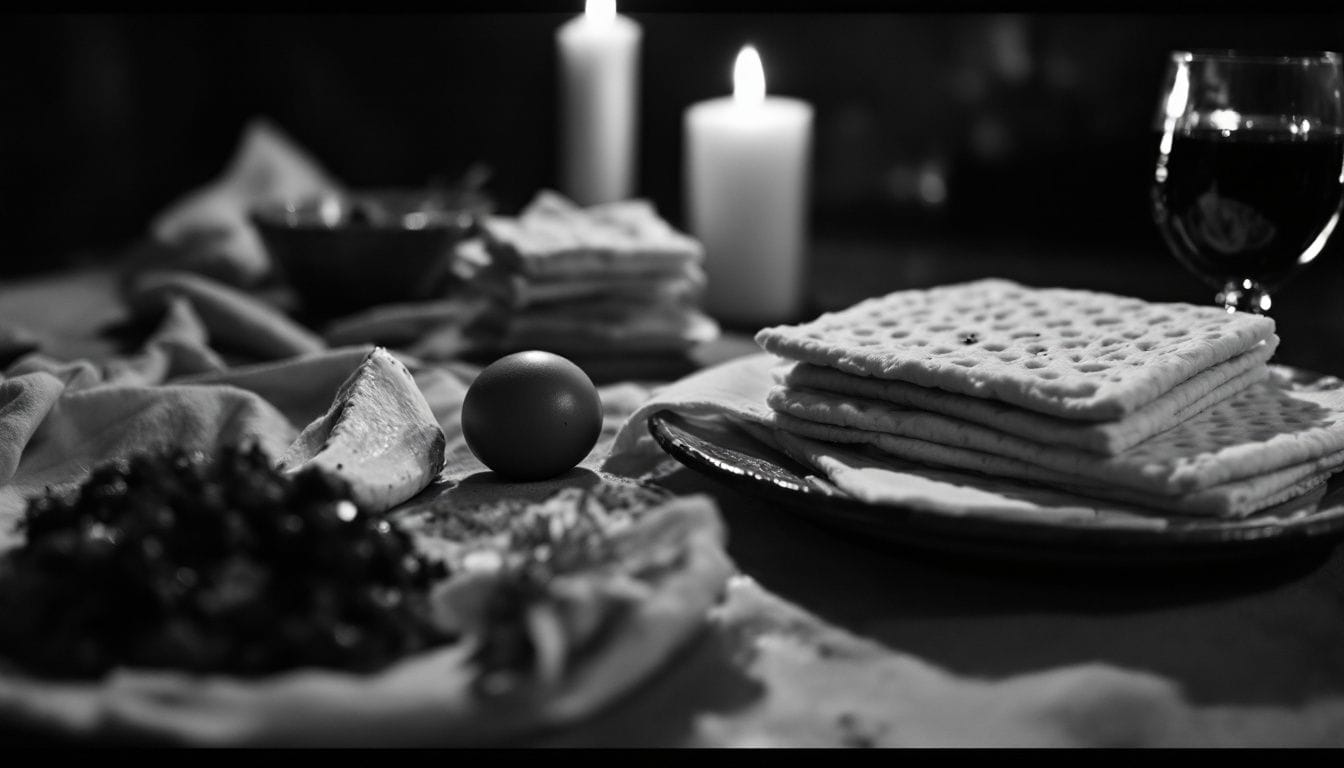
Pesach is not just the time without bread: it is the night the Exodus from Egypt is told. Chametz, matzah, four cups, Haggadah, the Seder plate: the law (Torah, Mishna, Talmud, Rambam, Shulchan Aruch), customs and history.