
Category: Judaïsme et Torah
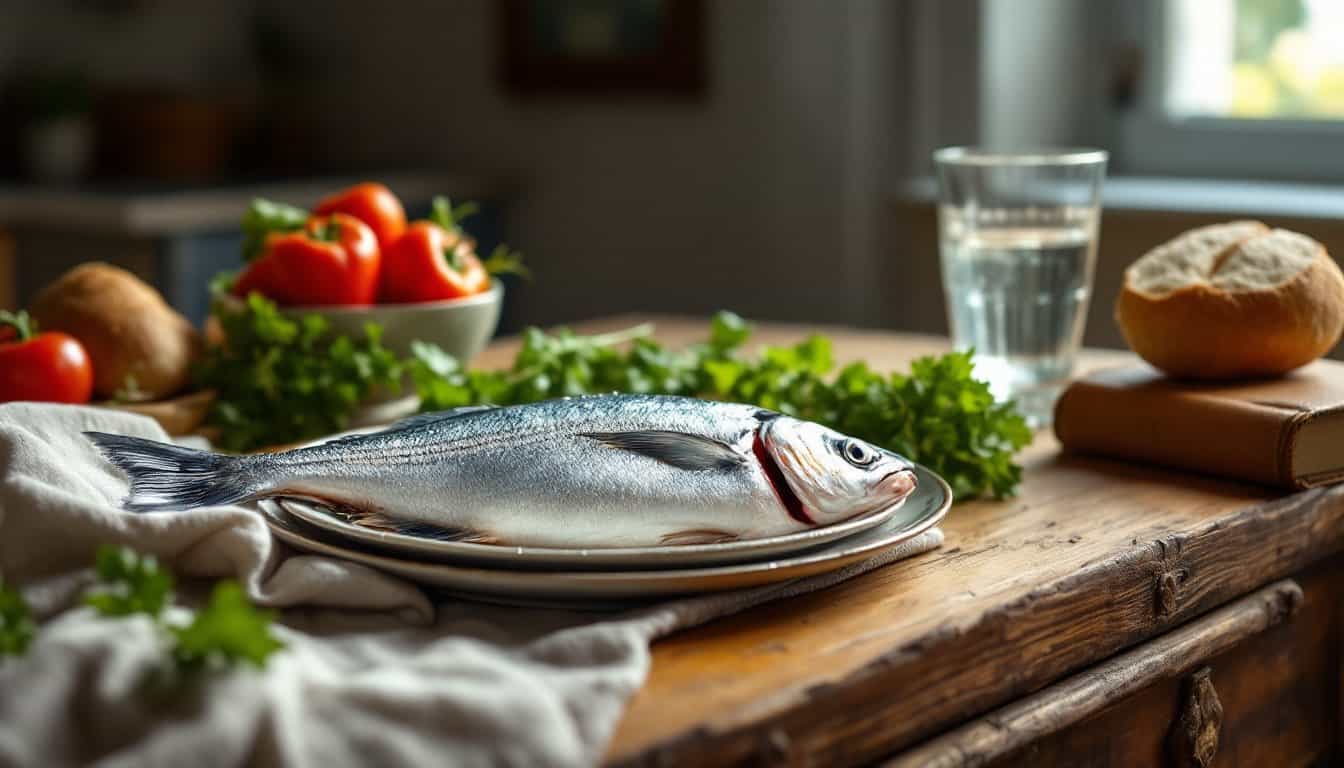
Pork, shellfish, rabbit, horse: what the Torah says about permitted and forbidden animals, the signs that tell them apart, the reasons given by the Sages, and the history of a prohibition that became a symbol of faithfulness.
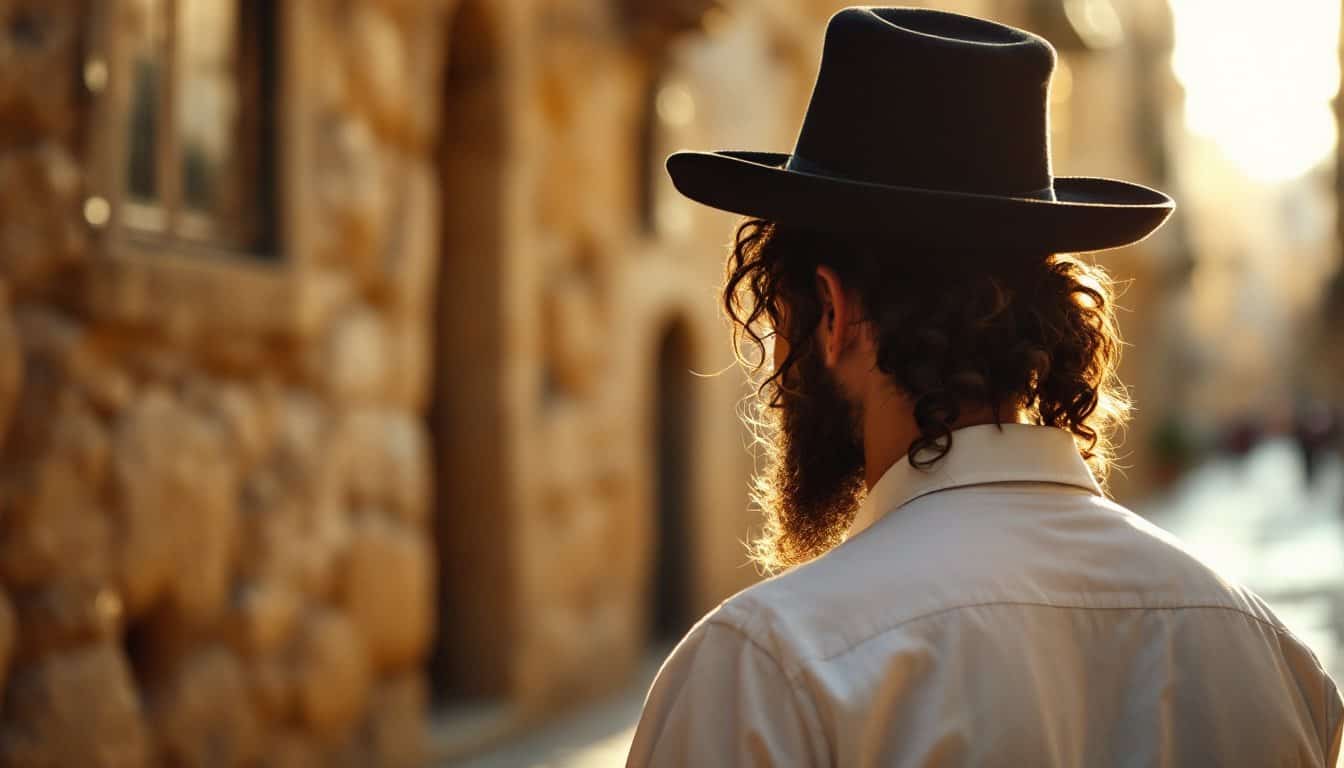
Where do the sidelocks and beards of religious Jews come from? A single verse of the Torah, as read by the Talmud and the halachic authorities, explains the ban on the razor, the diversity of customs and the deeper meaning of this "corner" that is left unshaved.
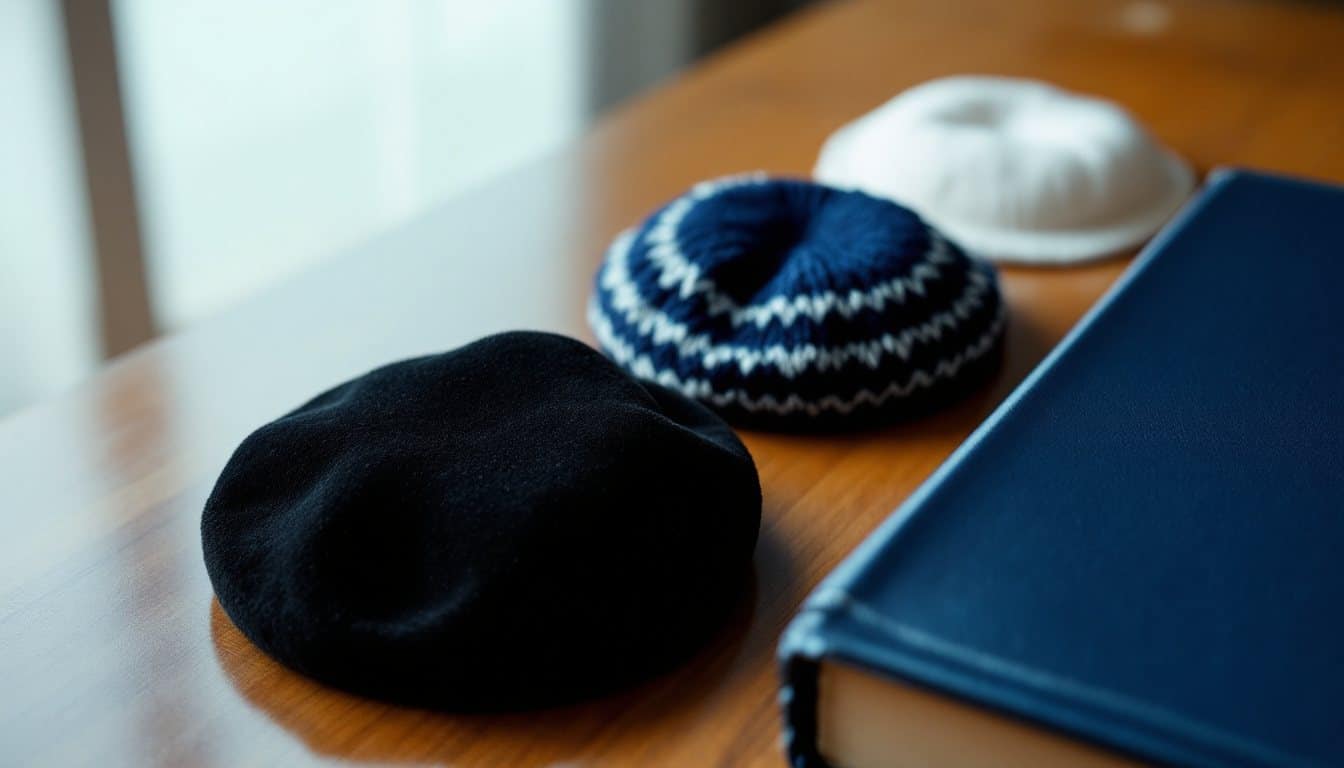
Why do Jewish men keep their heads covered? The meaning of the word kippah, its sources in the Talmud and the Shulchan Aruch, its history and its deeper reason: the fear of Heaven.

Where does the prohibition of tattoos in Judaism come from, what exactly does it say, and why? A Torah verse as read by the Mishna and the Rambam, and a clear answer to the rumor that a Jew with a tattoo cannot be buried in a Jewish cemetery.

Why do married Jewish women wear a headscarf, a hat or a wig? The sources in the Torah and the Talmud, the meaning of tzniut (modesty), the debate over the wig and the history of the custom.

Six public fasts mark the Jewish year. Where do they come from, what do they commemorate, and what is sought by going without food? The sources, history and deeper meaning of fasting in Judaism.

Why do Jews circumcise their sons on the eighth day? The covenant of Avraham, its sources in the Torah and the Talmud, its reasons, how the ceremony takes place and its history.

Chosen by whom, to do what, and at what price? What the Torah, the Talmud and the great teachers really say about the chosenness of Israel: a covenant, a responsibility and a mission turned toward the world.
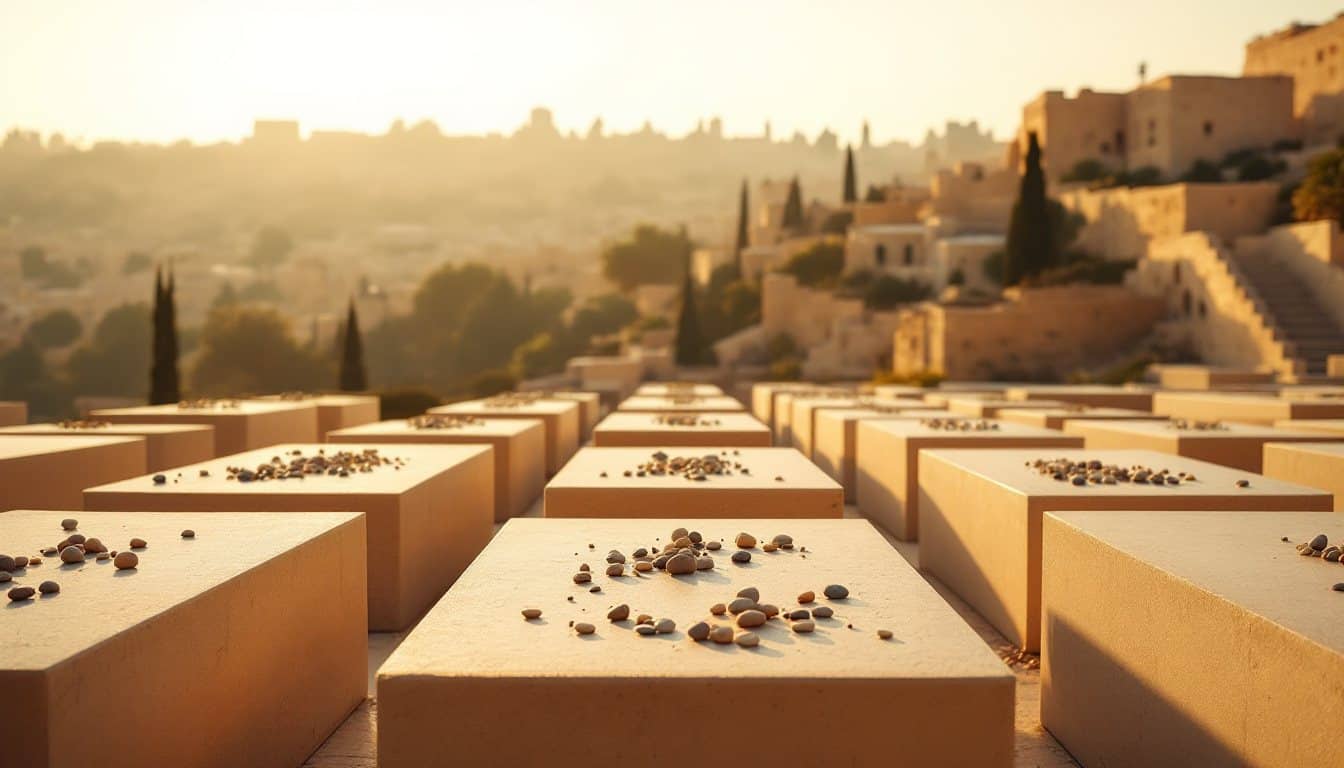
Why are there pebbles rather than flowers on Jewish graves? Biblical origins, Talmudic sources, the reasons and the deeper meaning of a custom thousands of years old.

Does Judaism begin with Avraham or at Mount Sinai? The Torah's narratives, the teachings of the Talmud and the Rambam, traditional dates, archaeology and Rav Benizri's reading.