
Category: Judaïsme et Torah
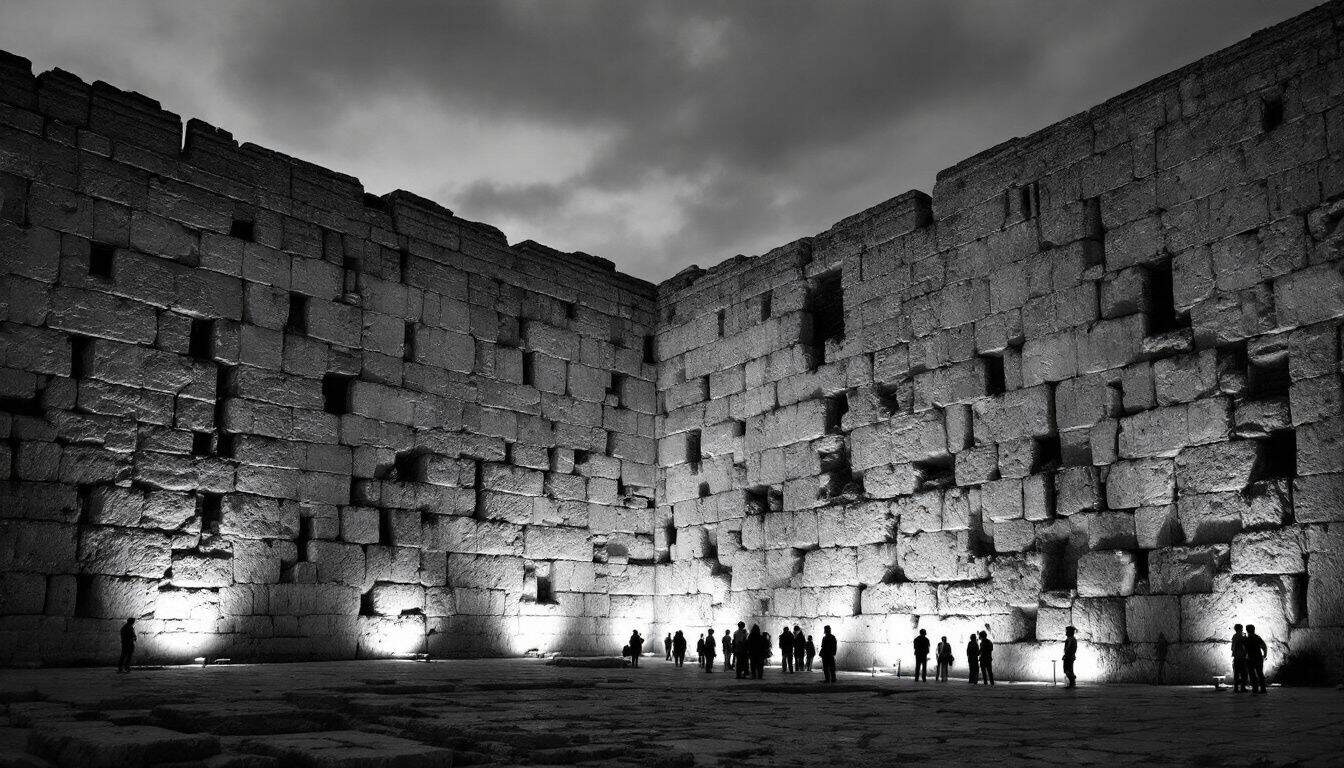
The Beit Hamikdash, the central sanctuary of the Jewish people in Jerusalem, was destroyed twice. History, archaeology, its meaning according to Rashi, the Ramban, the Rambam and Rav Benizri, the Temple Mount's status and the hope of rebuilding.

A korban is an offering that brings a person closer to G-d, not a tribute paid to a hungry deity. The Rambam, the Ramban, the prophets and the Talmud read the sacrifices, and explain what has replaced them since the Temple's destruction.

The yetzer hara is not a demon but a force created by G-d, “very good” when governed. Two inclinations, free will, a daily struggle: Torah, Talmud, Rambam, Tanya and the teaching of Rav Benizri.
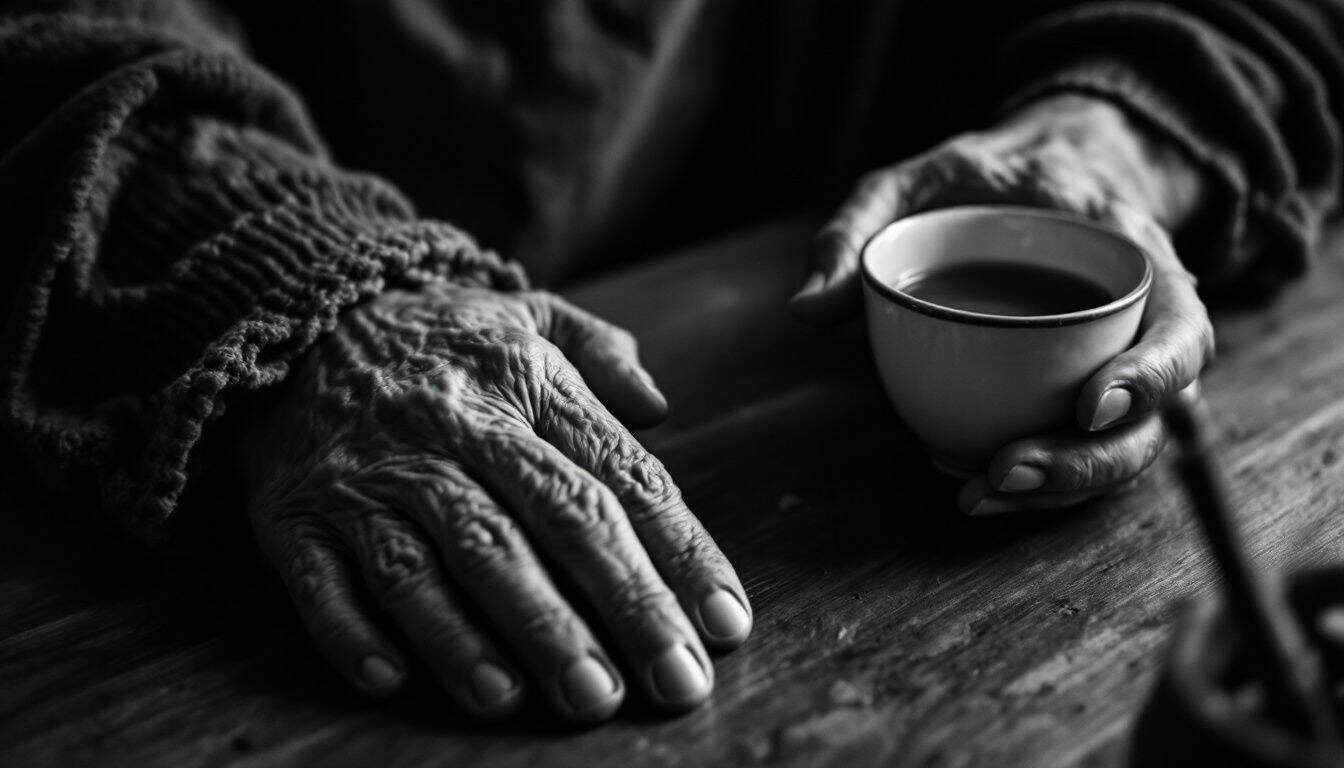
Honoring one's father and mother covers two mitzvot, kavod (honor) and mora (awe), with precise limits. Sources from the Torah, the Gemara (Kiddushin), Maimonides and the Shulchan Aruch, differences of custom, and Rav Benizri's reading.

Lashon hara is speaking ill of others even when it is true. Torah, Talmud (the tongue that kills three), Maimonides, the Chafetz Chaim and his seven conditions: what the law forbids, what it permits, and its moral and mystical readings.
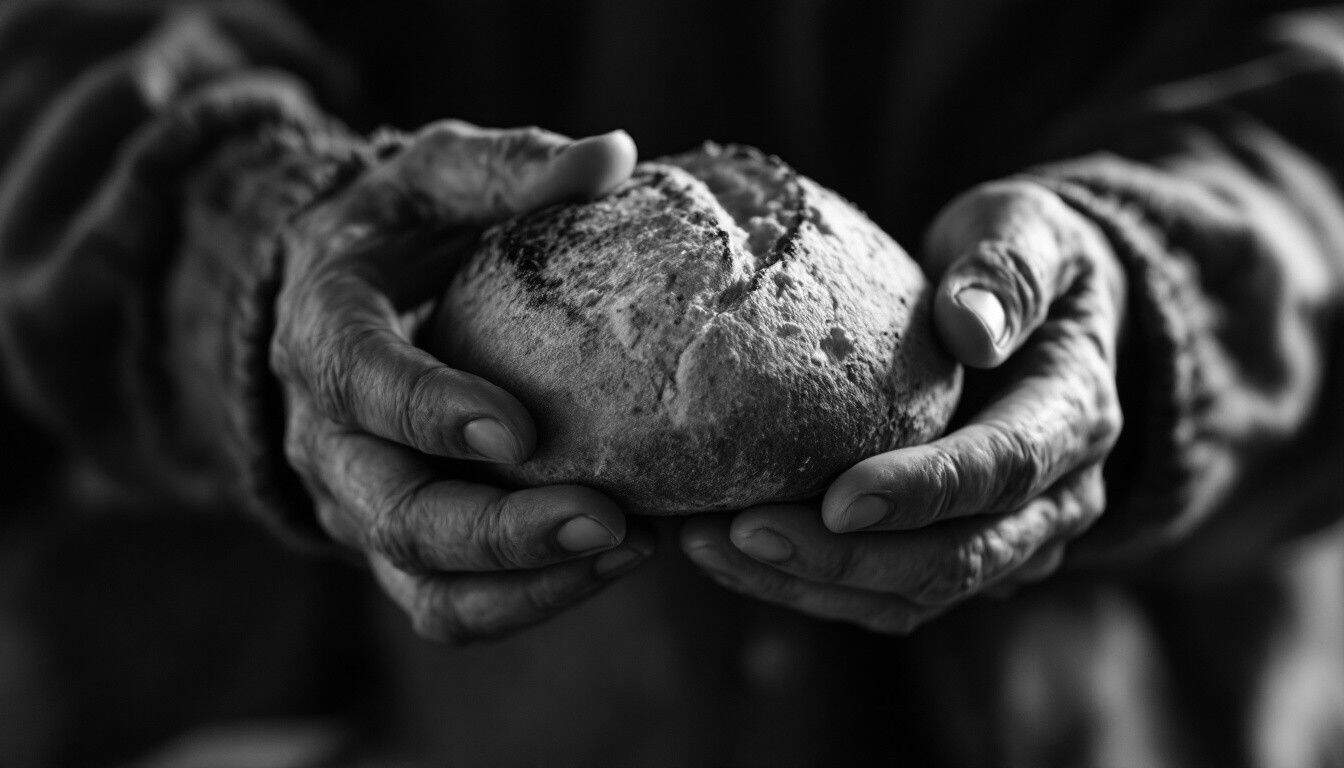
Tzedakah is not optional almsgiving but an obligation rooted in justice (tzedek): Torah, Talmud, Maimonides' eight degrees, amounts set by the Shulchan Aruch, community institutions and moral or mystical readings.

Teshuva is a return: abandon the sin, regret it, resolve not to commit it again and confess it. Torah, Prophets, Mishnah, Talmud, Maimonides and Shulchan Aruch, Elul, Rosh Hashanah and Yom Kippur, customs and misconceptions.
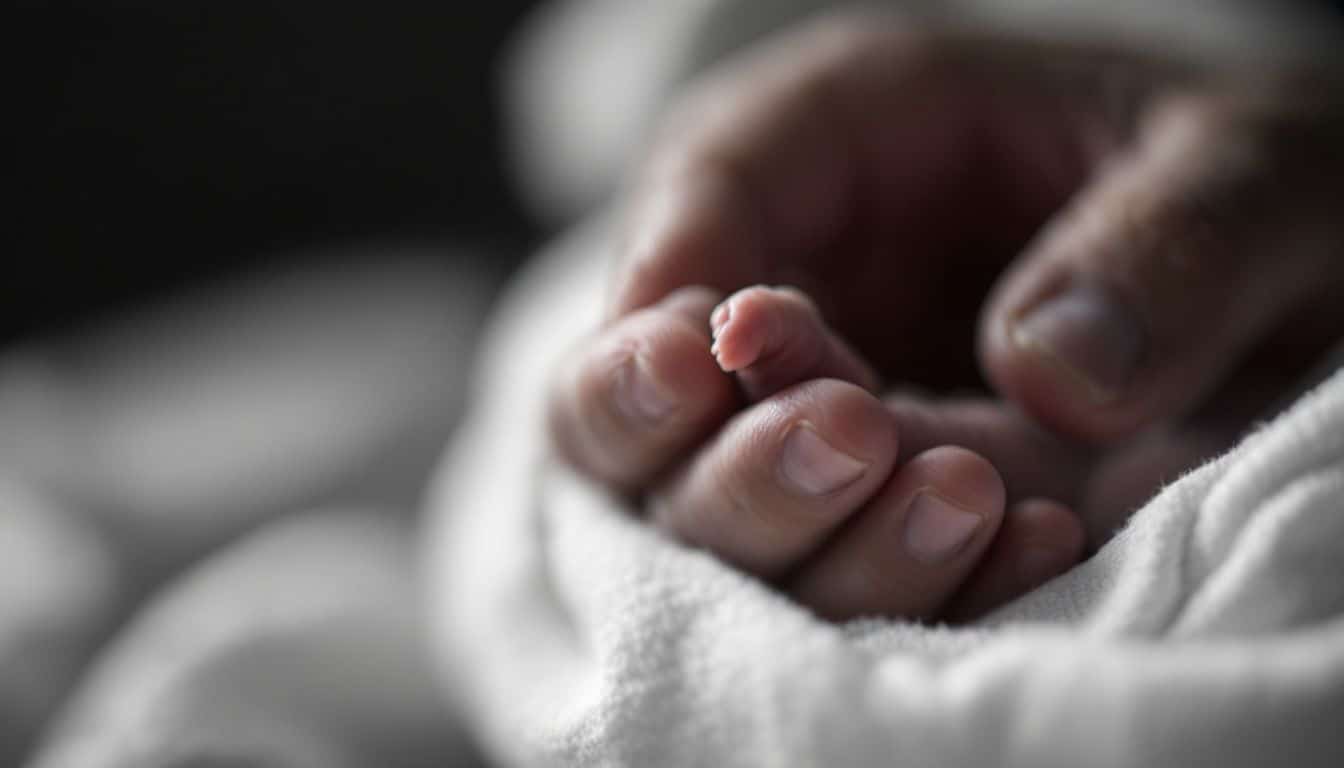
On the thirty-first day, the father gives five silver sela'im to a kohen to redeem his firstborn son. Who is concerned, when, how much, how the ceremony unfolds: sources, differing customs and the meaning of the mitzvah.
The Torah explicitly prescribes only the blessing after the meal; the others are the work of the Sages. Origins, the four blessings, the zimmun, Ashkenazic and Sephardic customs, history and spiritual readings.

Jewish handwashing is not an act of hygiene but a rite of purity inherited from the service of the kohanim and instituted by the Sages: Talmudic sources, practical rules, moral and mystical readings, community customs.