

In synagogue, when the Torah scroll is taken out, a voice calls: “Let the kohen rise!” Then comes the Levi, then an Israelite. Behind this discreet ritual lie three statuses passed down from father to son for more than three thousand years, families who served in the Sanctuary and then in the Temple in Jerusalem, very common family names (Cohen, Levy, Katz) and even genetic studies. What do these three categories mean, where do they come from, and what difference do they make today? This article starts from the Torah, the Mishna, the Talmud, Maimonides and the Shulchan Aruch, separates the law (halakha) from the moral and mystical readings, and then sets all of it against history and genetics.
In short: the Jewish tradition distinguishes three groups. The kohanim (singular kohen, “priest”) are the descendants of Aharon, the brother of Moshe, charged with the service of the Sanctuary. The Levites (Leviim) are the other members of the tribe of Levi, who assisted them as guards, porters, singers and teachers. The Israelites (Yisrael) are everyone else. The status is passed down through the father; it is neither acquired nor bought, and no one can “become a kohen.” It is not a ranking of moral worth but a division of sacred tasks, which has left concrete traces that are still alive: the order of Torah call-ups, the priestly blessing, the redemption of the firstborn, restrictions specific to the kohen. What the Sages say about it is sometimes surprising: an ignorant kohen does not take precedence over a sage, whatever his birth.
The three statuses at a glance
- Kohen (כֹּהֵן, plural kohanim): a man descended through the paternal line from Aharon, the first high priest. He was in charge of the sacrifices, the incense, the blessing of the people and the teaching of the law. He is subject to stricter rules of holiness than other Jews (Vayikra 21).
- Levi (לֵוִי, plural Leviim): a descendant through the paternal line of Levi, son of Yaakov, who is not a kohen. He was attached to the Sanctuary: guarding, transporting, singing, teaching. He received no territory in the Land of Israel (Bamidbar 18:20-24).
- Yisrael (יִשְׂרָאֵל): any other Jew, descended from the eleven other tribes, or a convert. The word has two meanings: it denotes the whole Jewish people, and, in this classification, those who are neither kohen nor Levi. The kohen and the Levi are also “of Israel” in the broad sense.
Where do these three statuses come from?
Levi, son of Leah
Levi is the third son of Yaakov and Leah, who gave him this name saying: “This time my husband will become attached (yilaveh) to me” (Bereshit 29:34). His sons are Gershon, Kehat and Merari; from Kehat was born Amram, father of Aharon and Moshe (Shemot 6:16-20). The two brothers are therefore Levites, but only Aharon’s descendants would form the priestly family. Moshe’s sons are counted among the Levites (Divrei Hayamim I 23:14).
The tribe’s story nonetheless begins on a dark note. At the time of his blessing, Yaakov recalls the violence of Shimon and Levi and concludes: “I will divide them in Yaakov and scatter them in Israel” (Bereshit 49:5-7). Rashi reads this dispersion as having taken place “with honor” for Levi: his tribe went around the threshing floors to receive the separated portions (Rashi on Bereshit 49:7). Dispersion thus becomes service. This reversal is prepared at the foot of Sinai: after the sin of the golden calf, Moshe stands at the gate of the camp and cries out: “Whoever is for Hashem, to me!”; “all the sons of Levi” gather around him (Shemot 32:26-29). It is this loyalty that Moshe recalls in his blessing: “They have observed Your word and kept Your covenant” (Devarim 33:8-11).
The Torah then gives a specific reason for setting the Levites apart. All the firstborn of Israel had been sanctified at the tenth plague in Egypt; G-d takes the Levites in their place:
“Behold, I have taken the Levites from among the children of Israel in place of every firstborn, the first issue of the womb among the children of Israel: the Levites shall be Mine.”
(Bamidbar 3:12) — וַאֲנִי הִנֵּה לָקַחְתִּי אֶת־הַלְוִיִּם מִתּוֹךְ בְּנֵי יִשְׂרָאֵל תַּחַת כׇּל־בְּכוֹר פֶּטֶר רֶחֶם מִבְּנֵי יִשְׂרָאֵל וְהָיוּ לִי הַלְוִיִּֽם׃
Aharon and his sons
For the priesthood, the text is direct: “Bring near to you Aharon your brother, and his sons with him, from among the children of Israel, to serve Me as priests” (Shemot 28:1). The priesthood is called an “eternal statute” (Shemot 29:9), and the line will be confirmed to Pinchas, Aharon’s grandson, by a “covenant of eternal priesthood” (Bamidbar 25:13). In unexpected vocabulary, G-d says to Aharon: “I make your priesthood a service of gift” (Bamidbar 18:7). The kohen does not appropriate it: he receives it.
The Torah does not hide the price of this closeness. Two sons of Aharon, Nadav and Avihu, offer “a strange fire” that had not been commanded; a fire comes out and consumes them. Moshe says to Aharon: “This is what Hashem said: through those who are close to Me I will be sanctified, and before all the people I will be glorified”; “and Aharon was silent” (Vayikra 10:1-3). The rebellion of Korach, another Levite, against this division ends with the miracle of Aharon’s staff, which blossomed and bore almonds (Bamidbar 16:35; 17:23).
The kohanim
Who is a kohen?
The status is passed down through the father. The Mishna lays down the principle for all valid marriages:
“Wherever there is valid marriage and no transgression, the child follows the male, that is, the father: this is the case of the daughter of a kohen, a Levi or an Israelite who marries a kohen, a Levi or an Israelite.”
(Mishna Kiddushin 3:12) — כָּל מָקוֹם שֶׁיֵּשׁ קִדּוּשִׁין וְאֵין עֲבֵרָה, הַוָּלָד הוֹלֵךְ אַחַר הַזָּכָר. וְאֵיזֶה, זוֹ כֹהֶנֶת, לְוִיָּה וְיִשְׂרְאֵלִית שֶׁנִּשְּׂאוּ לְכֹהֵן וּלְלֵוִי וּלְיִשְׂרָאֵל
Several consequences follow. The son of a kohen and an Israelite woman is a kohen; the son of a kohen’s daughter and an Israelite is an Israelite. The daughter of a kohen, the bat kohen, is not herself a kohen but keeps a connection with the priesthood: the Torah specifies that she eats of the sacred portions as long as she is not married to a non-kohen (Vayikra 22:12-13). A kohen remains a kohen whatever he does: if he marries a woman forbidden to him, the child of that union is a “profaned” one (chalal), but the father does not lose his status (Mishna Kiddushin 3:12).
Can one become one? No. A convert is an Israelite: he belongs to no tribe and has no kohen ancestor. Nor is there any ordination that makes a kohen of an Israelite. This point sharply distinguishes the kohen from the priest of the Christian churches: one is born a kohen, one does not become one through a sacrament.
How does one know one is a kohen?
In practice, through family tradition: a man knows he is a kohen because his father told him so and was one before him. This transmission has always been the fragile point, and the Bible knows it. On the return from the Babylonian exile, priestly families searched for their genealogy and did not find it:
“These sought their genealogical register, but it was not found, and they were disqualified from the priesthood. The governor told them not to eat of the most holy things until a kohen should arise with the Urim and Tummim.”
(Ezra 2:62-63) — אֵלֶּה בִּקְשׁוּ כְתָבָם הַמִּתְיַחְשִׂים וְלֹא נִמְצָאוּ וַֽיְגֹאֲלוּ מִן־הַכְּהֻנָּֽה׃ וַיֹּאמֶר הַתִּרְשָׁתָא לָהֶם אֲשֶׁר לֹא־יֹאכְלוּ מִקֹּדֶשׁ הַקֳּדָשִׁים עַד עֲמֹד כֹּהֵן לְאוּרִים וּלְתֻמִּֽים׃
Several centuries later, the historian Josephus affirms that his ancestors saw to it that the priestly stock remained unmixed: the priest took his wife’s genealogy from the ancient records and called on witnesses, and a catalogue of priestly marriages was kept in Judea, in Egypt, in Babylon and wherever priests lived (Against Apion I, 30-36). This is a useful testimony, but it comes from a priest defending the antiquity of his people; we cite it as a historical source, not as proof.
What the kohen does
The Temple service. This is the primary task: offering the sacrifices, burning the incense, arranging the lamps of the Sanctuary “from evening to morning” (Shemot 27:21), watching over the purity of the place. The Torah sums up his mission in two verbs: “to distinguish between the sacred and the profane, between the impure and the pure” and “to teach the children of Israel all the decrees” (Vayikra 10:10-11). For the sacrifices, see our article on the korbanot, and for the place, the one on the Beit Hamikdash.
Teaching and judging. The kohen is also a teacher. The prophet Malachi says it in one sentence:
“For the lips of the kohen guard knowledge, and people seek Torah from his mouth, for he is the messenger of Hashem of hosts.”
(Malachi 2:7) — כִּֽי־שִׂפְתֵי כֹהֵן יִשְׁמְרוּ־דַעַת וְתוֹרָה יְבַקְשׁוּ מִפִּיהוּ כִּי מַלְאַךְ ה׳־צְבָאוֹת הֽוּא׃
In matters too difficult for the local courts, the Torah sends the litigant “to the kohanim the Levites and to the judge” of the chosen place (Devarim 17:8-9). On the return from exile, Ezra, a descendant of Aharon, is presented as “a scribe skilled in the Torah of Moshe” (Ezra 7:1-6); he “had set his heart to seek the Torah of Hashem, to practice it and to teach laws and judgments in Israel” (Ezra 7:10).
The separated portions. The kohanim have no territorial inheritance. The Torah gives them the reason in a famous sentence:
“Hashem said to Aharon: You shall have no inheritance in their land, and there shall be no portion for you among them; I am your portion and your inheritance among the children of Israel.”
(Bamidbar 18:20) — וַיֹּאמֶר ה׳ אֶֽל־אַהֲרֹן בְּאַרְצָם לֹא תִנְחָל וְחֵלֶק לֹא־יִהְיֶה לְךָ בְּתוֹכָם אֲנִי חֶלְקְךָ וְנַחֲלָתְךָ בְּתוֹךְ בְּנֵי יִשְׂרָאֵֽל׃
They therefore live from the gifts of the people: the Torah lists the “gifts of the priesthood” (Bamidbar 18:8-20), which the tradition counts as twenty-four (Bava Kamma 110b). Among them are the portion taken from the harvest (terumah), the first kneading (challah), the first fruits and the redemption of the firstborn. Some of these gifts survive without a Temple: the redemption of the firstborn son is the most visible (see our article on the pidyon haben).
The blessing. The text of the priestly blessing is one of the oldest in the Torah:
“May Hashem bless you and guard you. May Hashem make His face shine upon you and be gracious to you. May Hashem lift up His face toward you and grant you peace.”
(Bamidbar 6:24-26) — יְבָרֶכְךָ ה׳ וְיִשְׁמְרֶֽךָ׃ יָאֵר ה׳ פָּנָיו אֵלֶיךָ וִֽיחֻנֶּֽךָּ׃ יִשָּׂא ה׳ פָּנָיו אֵלֶיךָ וְיָשֵׂם לְךָ שָׁלֽוֹם׃
The next verse specifies what the kohen does: “They shall place My name upon the children of Israel, and I will bless them” (Bamidbar 6:27). The kohen is only the channel; it is G-d who blesses. This practice is attested in spectacular fashion by archaeology: in 1979, the team of the archaeologist Gabriel Barkay found at Ketef Hinnom, near the Old City of Jerusalem, two tiny silver scrolls, dated to the late seventh or early sixth century BCE, containing a variant of this blessing. They are the oldest biblical texts currently known.
The kohen’s rules of holiness
Closeness to the sacred is paid for in restrictions. The Torah lists them in chapter 21 of Vayikra, and the reason is given in one line:
“You shall hold him holy, for he offers the bread of your G-d; he shall be holy to you, for I am holy, I Hashem who sanctify you.”
(Vayikra 21:8) — וְקִדַּשְׁתּוֹ כִּֽי־אֶת־לֶחֶם אֱלֹהֶיךָ הוּא מַקְרִיב קָדֹשׁ יִֽהְיֶה־לָּךְ כִּי קָדוֹשׁ אֲנִי ה׳ מְקַדִּשְׁכֶֽם׃
Three sets of rules follow.
- Death. The kohen must not become impure through contact with a dead person, except for his closest relatives: mother, father, son, daughter, brother, unmarried sister (Vayikra 21:1-4), to whom the Sages add the wife (Yevamot 22b). Halakha draws from this that the kohen does not enter under the same roof as a corpse (Shulchan Aruch, Yoreh De’ah 371:1) and that he avoids the cemetery: when a kohen buries a relative, he is placed at the edge of the cemetery so that he does not enter it (Yoreh De’ah 373:7; see also 369:1).
- Marriage. He may not marry a “zonah,” nor a divorcée (Vayikra 21:7). The term “zonah” is taken in a technical sense, which includes the convert (Shulchan Aruch, Even Ha’ezer 6:8). The high priest must marry a virgin and may not marry a widow (Vayikra 21:13-14).
- Mourning. The high priest does not let his hair go loose (or, according to some translations, does not uncover his head) and does not tear his garments, the usual gestures of mourning (Vayikra 21:10).
The ta’amei hamitzvot (reasons for the commandments) unfold on several levels. On the simplest level, the Sanctuary is a place of life and the kohen is its servant: everything touching on death, impurity or a non-conforming relationship is kept away from him. On the moral level, these rules are read as the idea that the man who represents the people before G-d no longer entirely belongs to himself. Both readings are explanations, not the law; the law is that one conforms to them even without understanding them.
The high priest
The kohen gadol, “high priest,” is anointed with oil and wears special garments (Vayikra 21:10). The great day of his service is Yom Kippur, when he enters the Holy of Holies alone (Vayikra 16; see Yom Kippur: the meaning of the Day of Atonement). For the Mishna, the crown of the priesthood is one of the three great crowns of Israel, but it is not the first:
“Rabbi Shimon says: there are three crowns: the crown of Torah, the crown of priesthood and the crown of kingship; but the crown of a good name surpasses them all.”
(Pirkei Avot 4:13) — רַבִּי שִׁמְעוֹן אוֹמֵר, שְׁלשָׁה כְתָרִים הֵם, כֶּתֶר תּוֹרָה וְכֶתֶר כְּהֻנָּה וְכֶתֶר מַלְכוּת, וְכֶתֶר שֵׁם טוֹב עוֹלֶה עַל גַּבֵּיהֶן
The Levites
A tribe devoted to the Sanctuary
The desert is the tribe’s great school. The Torah entrusts the Tabernacle to them: “they shall carry the Tabernacle and all its utensils, and they shall serve it, and they shall camp around the Tabernacle” (Bamidbar 1:50-51). They are placed “before Aharon the kohen” to serve him (Bamidbar 3:5-10). Two ages of service are mentioned: from twenty-five years (Bamidbar 8:24) and from thirty to fifty years for transport (Bamidbar 4:3), the age of fifty marking retirement from the labor, not from assisting (Bamidbar 8:25-26).
Under David, their role diversifies. Chronicles counts them at thirty-eight thousand: twenty-four thousand for the work of the House, six thousand officers and judges, four thousand gatekeepers and four thousand singers (Divrei Hayamim I 23:3-5); the sons of Asaf, Heman and Yedutun “prophesy with lyres, harps and cymbals” (Divrei Hayamim I 25:1). Their names are found in the book of Psalms: “of Asaf” (Tehilim 50:1), “of the sons of Korach” (Tehilim 42:1).
The Levites are also teachers. In Moshe’s blessing:
“They shall teach Your judgments to Yaakov and Your Torah to Israel; they shall place incense before You and the burnt offering on Your altar.”
(Devarim 33:10) — יוֹרוּ מִשְׁפָּטֶיךָ לְיַֽעֲקֹב וְתוֹרָתְךָ לְיִשְׂרָאֵל יָשִׂימוּ קְטוֹרָה בְּאַפֶּךָ וְכָלִיל עַֽל־מִזְבְּחֶֽךָ׃
In Ezra’s time, this is what they do in Jerusalem, at the great public reading of the Torah: “the Levites explained the Torah to the people, and the people stood in their place” (Nechemia 8:7).
No land, but G-d’s portion
Unlike the other tribes, Levi received no territory (Devarim 10:8-9; 18:1-2). He receives forty-eight cities with their pasturelands, spread among the other tribes (Bamidbar 35:2-3 and 35:7; Yehoshua 21:1-3), and the tithe of the produce of the land, called the first tithe (ma’aser rishon), “in exchange for the service they perform” (Bamidbar 18:21 and 18:24). From this tithe, they in turn set aside a tenth for the kohanim (Bamidbar 18:26).
Maimonides, at the end of the tractate on the Sabbatical year, gives the reason for this condition, then widens the perspective with a famous passage:
“Why did Levi not receive a share in the inheritance of the Land of Israel and in its spoils, like his brothers? Because he was set apart to serve Hashem, to serve Him and to teach the multitude His upright ways and His righteous judgments.”
(Rambam, Hilchot Shemita Ve’yovel 13:12) — וְלָמָּה לֹא זָכָה לֵוִי בְּנַחֲלַת אֶרֶץ יִשְׂרָאֵל וּבְבִזָּתָהּ עִם אֶחָיו מִפְּנֵי שֶׁהֻבְדַּל לַעֲבֹד אֶת ה’ לְשָׁרְתוֹ וּלְהוֹרוֹת דְּרָכָיו הַיְשָׁרִים וּמִשְׁפָּטָיו הַצַּדִּיקִים לָרַבִּים
“And not only the tribe of Levi, but every single person from all the inhabitants of the world whose spirit moves him and whose understanding leads him to set himself apart to stand before Hashem, to serve Him (…) that person is sanctified as a holy of holies, and Hashem will be his portion and his inheritance forever.”
(Rambam, Hilchot Shemita Ve’yovel 13:13) — וְלֹא שֵׁבֶט לֵוִי בִּלְבַד אֶלָּא כָּל אִישׁ וְאִישׁ מִכָּל בָּאֵי הָעוֹלָם אֲשֶׁר נָדְבָה רוּחוֹ אוֹתוֹ וֶהֱבִינוֹ מַדָּעוֹ לְהִבָּדֵל לַעֲמֹד לִפְנֵי ה’ לְשָׁרְתוֹ וּלְעָבְדוֹ … הֲרֵי זֶה נִתְקַדֵּשׁ קֹדֶשׁ קָדָשִׁים
What the Rambam says here carries unique weight: the priesthood and the Levitical status are hereditary, but holiness is offered to every human being who sets himself apart to serve G-d and to live uprightly.
A tribe that did not return
The Talmud preserves a bitter memory. On the return from Babylon, the Levites are almost absent: Ezra’s list counts four thousand two hundred and eighty-nine priests (973 + 1,052 + 1,247 + 1,017), but only seventy-four Levites (Ezra 2:36-40). When Ezra gathers the exiles by the river Ahava, he observes: “I found none of the sons of Levi there” (Ezra 8:15). The Talmud sees in this the reason why the first tithe, originally meant for the Levites, was partly transferred to the kohanim: for one of the masters, it was a sanction for not having come up in Ezra’s time (Yevamot 86b; Chullin 131b). Another opinion sees it as a practical measure so that impure kohanim would have something to eat (Yevamot 86b). The practice of tithing today is complex and a matter for rabbinic consultation.
The Levi today
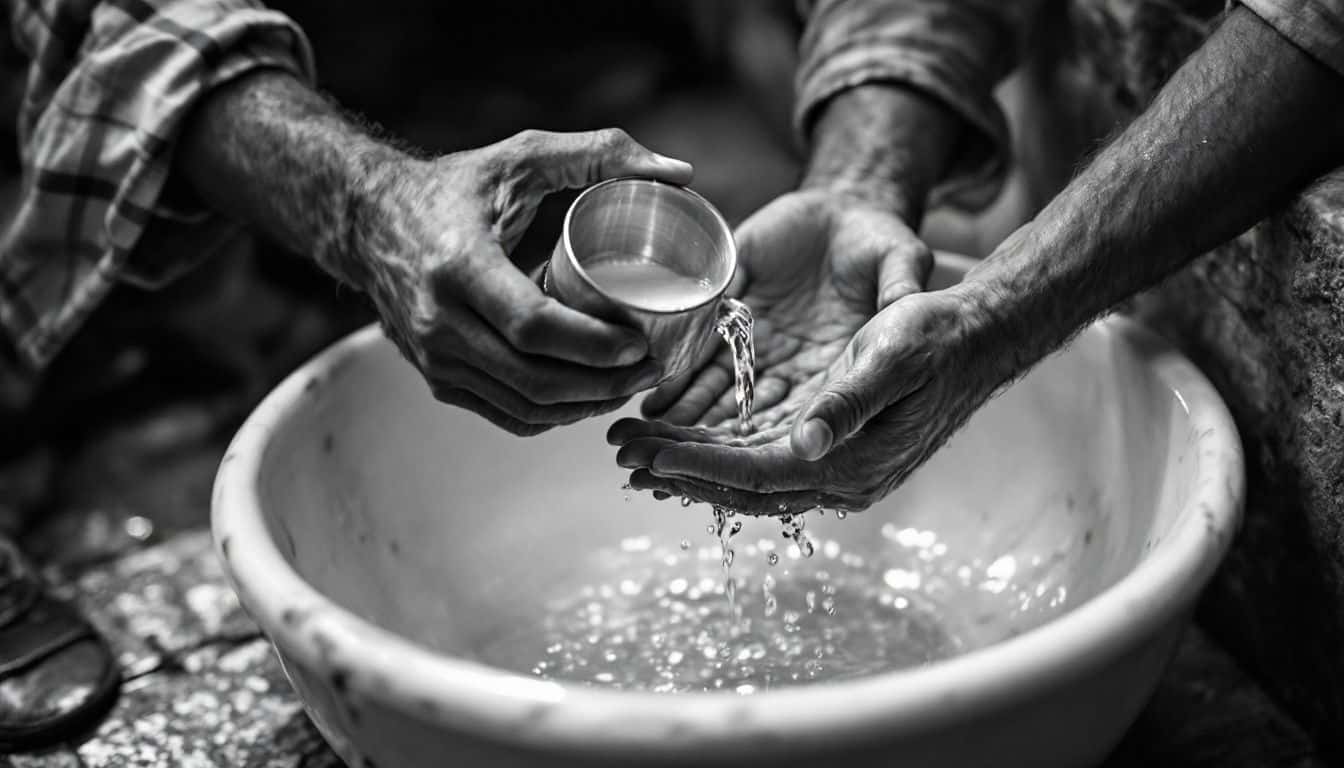
Two customs remain certain: the Levi is called second to the Torah (Shulchan Aruch, Orach Chaim 135:3) and he pours water over the hands of the kohanim before the blessing (Shulchan Aruch, Orach Chaim 128:6). Levitical and priestly families are also exempt from the redemption of the firstborn (Yoreh De’ah 305:18). The family names Levy, Levi, Levine and Halevi often betray this ancestry. Segal is another: it is generally read as the initials of segan leviyah, “assistant of the Levites,” although a minority of sources see in it segan lekehunah, “assistant of the kohen.” These clues are only clues.
The Israelites
A name for the whole people
“Israel” is the name given to Yaakov after his night struggle: “Your name shall no longer be called Yaakov, but Israel, for you have striven with divine beings and with men, and you have prevailed” (Bereshit 32:29). The “Israelites” thus form first of all the whole people, and, in the classification of this article, the majority group that is neither kohen nor Levi.
In Temple times, the Israelites were not mere spectators. So that the daily sacrifice would be that of the whole people, the early prophets instituted twenty-four “watches”: each week, a family of kohanim, a group of Levites and a delegation of Israelites (the ma’amad) went up to Jerusalem, while the Israelites of the same watch gathered in their towns and read the account of the Creation (Mishna Ta’anit 4:2).
A kingdom of priests
At Sinai, even before receiving the Torah, the whole people is called to a priestly vocation:
“You shall be to Me a kingdom of priests and a holy nation.”
(Shemot 19:6) — וְאַתֶּם תִּהְיוּ־לִי מַמְלֶכֶת כֹּהֲנִים וְגוֹי קָדוֹשׁ
The sentence can be read in two ways: all of Israel is a people with a priestly role toward the nations, and it includes within it kohanim who serve it in turn. The two levels nest within each other. This is what Rav Benizri expresses by saying that we are “little kohanim for humanity” (see below).
No hierarchy of merit
The Sages took care not to make birth a title of superiority. The Mishna sets an order of precedence, but immediately lays down a condition:
“The kohen takes precedence over the Levi, the Levi over the Israelite (…). When is this so? When they are all equal. But if a mamzer is a disciple of the sages and a high priest is an ignoramus, the mamzer who is a disciple of the sages takes precedence over the ignorant high priest.”
(Mishna Horayot 3:8) — כֹּהֵן קוֹדֵם לְלֵוִי, לֵוִי לְיִשְׂרָאֵל … אֵימָתַי, בִּזְמַן שֶׁכֻּלָּן שָׁוִין. אֲבָל אִם הָיָה מַמְזֵר תַּלְמִיד חָכָם וְכֹהֵן גָּדוֹל עַם הָאָרֶץ
(The mamzer is a child born of a union forbidden by the Torah; in the Mishna he stands at the very bottom of the ladder of statuses.) Knowledge comes before birth. This principle is found in the teaching of Hillel: “Be of the disciples of Aharon: loving peace and pursuing peace, loving people and bringing them close to the Torah” (Pirkei Avot 1:12).
In synagogue: what difference it makes today
The order of Torah call-ups
This is the most visible custom. The Mishna says:
“These are things that were instituted for the sake of peace: the kohen reads first, then the Levi, then the Israelite, for the sake of peace.”
(Mishna Gittin 5:8) — וְאֵלּוּ דְבָרִים אָמְרוּ מִפְּנֵי דַרְכֵי שָׁלוֹם
The institution thus has peace as its motive: to prevent everyone from quarreling over the first places. The Talmud then asks how we know that the kohen goes first, and answers with a verse:
“Rav Matana said: Scripture says: ‘Moshe wrote this Torah and gave it to the kohanim, the sons of Levi.’ Do I not know that the kohanim are sons of Levi? Rather the verse means: first the kohen, then the Levi.”
(Gittin 59b) — אָמַר רַב מַתְנָה, דְּאָמַר קְרָא: ״וַיִּכְתּוֹב מֹשֶׁה אֶת הַתּוֹרָה הַזֹּאת וַיִּתְּנָהּ אֶל הַכֹּהֲנִים בְּנֵי לֵוִי״ – אַטּוּ אֲנָא לָא יָדַעְנָא דְּכֹהֲנִים, בְּנֵי לֵוִי נִינְהוּ? אֶלָּא כֹּהֵן בְּרֵישָׁא, וַהֲדַר לֵוִי
The verse cited is Devarim 31:9. The Shulchan Aruch makes it law: “The kohen reads first, then the Levi, then the Israelite” (Orach Chaim 135:3). When there is neither kohen nor Levi, Israelites are called.
The priestly blessing
The kohanim go up to the platform (the duchan), without shoes (Shulchan Aruch, Orach Chaim 128:5), after the Levi has poured water over their hands (128:6), provided there is a minyan of ten men (128:1). Custom varies. The Shulchan Aruch, followed by the Sephardim, does not tie the blessing to any festival, whereas the Rema notes that in the Ashkenazi countries of his day it was given only on festival days, at the time of Musaf (Orach Chaim 128:44). In Israel, the most widespread custom is the daily blessing, including among Ashkenazim; each person follows the custom of his synagogue.
The redemption of the firstborn
The father of a firstborn son of his mother gives five silver shekels to a kohen to redeem him (Bamidbar 18:15-16; Shulchan Aruch, Yoreh De’ah 305:1). The exemption of priestly and Levitical families depends on the mother: the son of a woman who is a kohenet or a Leviyah is exempt, even if she married an Israelite (Yoreh De’ah 305:18). For particular cases, consult a rabbi. See the pidyon haben.
A status that does not impose itself on others
Orthodoxy maintains these statuses. In liberal Judaism they are often abandoned or interpreted differently: most Reform and Reconstructionist synagogues have abolished the traditional distinctions, in the name of equality, and some rabbis of the Conservative (Masorti) movement grant the bat kohen her father’s status, for example for the first aliyah to the Torah or for the blessing. This article describes the traditional practice.
History, archaeology, genetics
The priesthood over time
The Bible presents the kohanim as at first a single family, that of Aharon, which divides after the death of Nadav and Avihu between Elazar and Itamar. In the time of King David, Tzadok (of the line of Elazar) and Achimelech (of that of Itamar) divide the kohanim into twenty-four classes (Divrei Hayamim I 24:1-4). It is this system of “watches” that would set the rhythm of Temple life until its destruction. The Temple in Jerusalem was destroyed first in 586 BCE, then in 70 CE; since then the kohanim have had no sacrificial service, but the tradition has preserved their status.
The history of the priesthood is not only religious: Chanukah was born of a revolt led by a family of kohanim, the Hasmoneans: Matityahu, son of Yochanan, was a kohen, of the class of Yoyariv (1 Maccabees, chap. 2), and the Al Hanissim prayer still names him today. Rav Benizri devotes a lecture to this (see below).
What biblical criticism says
Critical historians do not all understand these accounts as the tradition does. Since Julius Wellhausen (Prolegomena zur Geschichte Israels), many see in the distinction between priests and Levites a development that became more precise over the centuries, notably in the First Temple period and after the exile. The Jewish tradition, for its part, reads the priestly order as given from the desert. The two readings do not stand on the same ground: one reconstructs a history of the texts, the other transmits a law. A practicing reader holds to the second.
What the genes say
Since an article by Karl Skorecki and his colleagues published in Nature in 1997 (“Y chromosomes of Jewish priests”), it has been known that a majority of men who declare themselves kohanim carry a characteristic Y-chromosome signature, called the “Cohen modal haplotype” (Hammer et al., 2009). A 1998 study (Thomas et al., Nature) pursued this research on the origin of the priestly line. A finer 2009 study (Hammer et al., Human Genetics) covers 215 kohanim from varied communities: they carry 21 Y-chromosome haplogroups, but five of them account for 79.5% of the kohanim, and the most frequent lineage (46.1%), marked by the P58 mutation, is of Near Eastern origin; its divergence is estimated at 3,190 ± 1,090 years. The authors conclude that the majority of contemporary Jewish priests descend from a small number of paternal lineages, which is consistent with an ancient common origin, prior to the dispersion of the communities.
For the Levites, the result is more nuanced. About 300,000 men call themselves Ashkenazi Levites, and two thirds would descend from a single man carrying a lineage called R1a-Y2619. But in 2017 (Behar et al., Scientific Reports), sequencing of the Y chromosome describes an ancestor of Near Eastern origin who claimed to be a Levite, whose descendants expanded about 1,743 years ago, in step with the expansion of the other Ashkenazi founders, “with no particular relation” to Levite membership. That marker therefore does not trace back to the tribe of Levi of the Torah, which does not however invalidate the tradition: one marker says nothing about the other lineages.
Two precautions are in order. Genetics does not establish status: halakha rests on family transmission, not on a test, and a laboratory result does not make a kohen. And these studies concern populations, not a single family: they show that some of today’s kohanim share very ancient common paternal ancestors, nothing more.
Halakha, moral reading, mystical reading
Halakha is everything above: a hereditary status, precise gestures (Torah call-ups, blessing, redemption of the firstborn), prohibitions (cemetery, marriage). The halakhic authorities take care to distinguish what is binding from what is merely suggested.
The moral reading (mussar, aggada) turns the privilege around: what the kohen receives by birth, every Jew can win through his deeds. The Mishna says so (Avot 4:13; Horayot 3:8), Hillel expresses it by asking us to be “disciples of Aharon” (Avot 1:12), and the Rambam draws from it a kind of manifesto: any human being can be sanctified as a holy of holies (Shemita Ve’yovel 13:13).
The mystical reading (Kabbalah, Chassidut) willingly associates kohen, Levi and Israelite with three divine attributes (kindness, severity, harmony), and the threefold structure with a general law of the universe. This is a symbolic language, with no halakhic force. Rav Benizri draws an overall reading from it in his lecture on Pirkei Avot 5 (see below).
Customs. Ashkenazim, Sephardim and Chassidim differ chiefly on the frequency of the priestly blessing (Rema, Orach Chaim 128:44); in case of doubt, follow the custom of your community and ask your rabbi.
What Rav Raphaël Benizri teaches
Rav Raphaël Benizri did not devote a lecture to this precise subject, but he returns to it several times in his published lectures; we report what they contain.
- Aharon, the kohen who brings people closer. In his lecture on Tetzaveh, the Rav notes that Moshe’s name does not appear in this parasha and that Aharon takes charge: “Aharon is the Kohen, animated by love of the people, seeking to bring closer to Moshe’s path those who had stayed at the foot of the mountain.” His sons “will inherit this priesthood and the duty to educate”; the word Tetzaveh means both to bind and to educate. See the lecture: Tetzaveh: elevating oneself.
- The kohen is not in the chain of transmission. On the first mishna of Pirkei Avot (Moshe received the Torah from Sinai…), the Rav explains that the absence of the kohanim is not an oversight: “They benefit from a vein of heredity: from father to son, they are kohanim, and even an ignoramus is one. It is a status granted by law. The kohen has custody of the ritual and of knowledge of the law, but he cannot for all that be the reference point of the Torah.” The chain of the mishna indeed passes from Moshe to Yehoshua, to the elders, to the prophets and to the men of the Great Assembly, without mentioning the kohanim (Pirkei Avot 1:1). See the lecture: Pirkei Avot: the chain of transmission.
- Holiness received, holiness willed. In his lecture on Pirkei Avot 5:2, the Rav notes that the people, the “instrument” of the universe, is divided into kohen, Levi and Israel, and that this threefold structure is found everywhere. To a participant, he explains that holiness follows a double movement: “The kohen is holy by birth, not because he is just or good: this holiness was granted to him, whether he wants it or not”; but “there is also a movement from the bottom up, a holiness that we want and that engages free will.” Hence the notion of a people, “a kingdom of priests and a holy nation”: “we are little kohanim for humanity.” See the lecture: Pirkei Avot: the arithmetic of Creation.
- The kohen, the one who brings near. In his first study on Pesach, the Rav connects kohen with karov (“near”): the kohen is “the educator of the people, the one who brings about the drawing together of the material world and the spiritual world,” which is the meaning of korban (“drawing near”). This is a reading through the root of the words (a derash), not a scientific etymology. See the lecture: Pesach: where to begin the Haggadah?.
- Chanukah and the kohanim. In his lecture on Chanukah in history, the Rav places the struggle of the kohanim (the Hasmoneans) “in the continuation of the golden calf”: Aharon, the kohen, had taken part in making it, convinced that it did not really threaten the people’s future; it therefore fell to his descendants to take up this fight and carry it through to the end. See the lecture: Chanukah in history.
Common misconceptions about kohanim, Levites and Israelites
“The kohen is a priest like in Christianity”
No. The kohen is not an intermediary without whom one could not pray; he does not hear confession, does not celebrate sacraments and is not the community’s spiritual guide. That role belongs to the rabbi, who is not necessarily a kohen, nor even a descendant of a priestly family. The priesthood was a Temple service, at a time when the Temple existed; today what remains is a status and some customs.
“The kohen is holier or better than others”
Not that either. He is held to a more demanding holiness, but the Mishna refuses to make it a title: an ignorant kohen gadol comes after a mamzer who is a sage (Horayot 3:8). Rav Benizri says the same thing in his own way: his holiness is “granted” at birth, not because he is just.
“All Cohens are kohanim, all Levys are Levites”
False. A name proves nothing: many Cohens are not kohanim, and many kohanim do not bear that name. Katz is the well-known example: it is almost always the initials of Kohen Tzedek, “priest of righteousness,” but not all Katzes descend from priests. It has also been suggested that Azoulay comes from the initials of a verse on the unions forbidden to the kohen (Vayikra 21:7), but this is one explanation among others.
“One can become a kohen by converting or by studying”
No. The convert is an Israelite, and the priesthood cannot be conferred. As we have seen, holiness, however, can be acquired through study and deeds (Rambam, Shemita Ve’yovel 13:13).
“Today, all this is useless”
False. Every Shabbat, kohanim are called first; every pidyon haben requires a kohen; and in communities that practice the duchan, kohanim bless the people. The statuses are one of the few living links with the Temple service.
Frequently asked questions about kohanim, Levites and Israelites
What is a kohen in one sentence?
He is a male Jew, descended through the paternal line from Aharon, who has inherited a status of sacred service: he no longer serves in the Temple, but keeps privileges (first aliyah to the Torah, blessing of the people, redemption of the firstborn) and prohibitions (cemetery, marriage).
Is a kohen’s daughter a kohen?
No. She is a bat kohen and keeps a connection with the priesthood, for example the right to eat the sacred portions as long as she does not marry a non-kohen (Vayikra 22:12-13). Children follow their father: the child of a bat kohen and an Israelite is an Israelite (Mishna Kiddushin 3:12).
Why is the kohen called first to the Torah?
The Sages instituted it “for the sake of peace” (Mishna Gittin 5:8), and the Talmud seeks its basis in the verse “Moshe wrote this Torah and gave it to the kohanim, the sons of Levi” (Gittin 59b; Devarim 31:9).
Why does a kohen not go to the cemetery?
Because the Torah forbids him to become impure through contact with a dead person, except for his closest relatives (Vayikra 21:1-4; Shulchan Aruch, Yoreh De’ah 369:1). The reason is the kohen’s tie to the Sanctuary, a place of life. To attend a funeral, consult a rabbi.
Can a DNA test tell whether one is a kohen?
No, not in the sense of halakha. A test can indicate that one carries a signature common among kohanim, which is not equivalent to a status. Status comes from family transmission. In case of doubt, put the question to a rabbi.
What does a Levi do today?
He is called second to the Torah and pours water over the kohanim’s hands before the blessing. For the rest, he is an Israelite like any other.
Can an Israelite replace a kohen?
For the Torah reading, if no kohen is present, an Israelite is called and the reading proceeds as usual. However, only a kohen may pronounce the priestly blessing (Shulchan Aruch, Orach Chaim 128:1).
Further reading
The kohanim, the Levites and the Israelites are the three “sons” of one and the same story, that of a people learning to draw near to the sacred. To continue, here are some readings on the site.
- What is the Beit Hamikdash, the Temple in Jerusalem?
- Why Are There Sacrifices (Korbanot) in the Torah?
- What is the pidyon haben, the redemption of the firstborn?
- What is the Tanakh? Torah, Prophets and Writings
- Who is a Jew? And how does one become Jewish?
- The Jewish wedding: chuppah, ketubah and the broken glass
- Yom Kippur: the meaning of the Day of Atonement
- Glossary of Hebrew words in Judaism
Sources and references (35)
- Bereshit (Genesis) 29:34; 32:29; 49:5-7
- Shemot (Exodus) 6:16-20; 19:6; 28:1; 29:9; 32:26-29
- Vayikra (Leviticus) 10:1-3; 10:10-11; 16; 21:1-4; 21:7-8; 21:10; 21:13-14; 22:12-13
- Bamidbar (Numbers) 1:50-51; 3:5-10; 3:12; 4:3; 6:22-27; 8:24-26; 16:35; 17:23; 18:7-8; 18:15-16; 18:20-21; 18:24; 18:26; 25:13; 35:2-3; 35:7
- Devarim (Deuteronomy) 10:8-9; 17:8-9; 18:1-2; 31:9; 33:8-11
- Yehoshua (Joshua) 21:1-3
- Ezra 2:36-40; 2:62-63; 7:1-6; 7:10; 8:15
- Nechemia (Nehemiah) 8:7
- Divrei Hayamim I (I Chronicles) 23:3-5; 23:14; 24:1-4; 25:1
- Tehilim (Psalms) 42:1; 50:1
- Malachi 2:7
- Mishna Kiddushin 3:12
- Mishna Gittin 5:8
- Mishna Ta’anit 4:2
- Mishna Horayot 3:8
- Pirkei Avot 1:1; 1:12; 4:13
- Babylonian Talmud, Gittin 59b
- Babylonian Talmud, Yevamot 22b; 86b
- Babylonian Talmud, Bava Kamma 110b
- Babylonian Talmud, Chullin 131b
- Rashi on Bereshit 49:7
- Rambam, Mishneh Torah, Hilchot Shemita Ve’yovel 13:12-13
- Shulchan Aruch, Orach Chaim 128:1; 128:5-6; 128:44; 135:3
- Shulchan Aruch, Yoreh De’ah 305:1; 305:18; 369:1; 371:1; 373:7
- Shulchan Aruch, Even Ha’ezer 6:8
- Josephus, Against Apion I, 30-36
- Karl Skorecki et al., “Y chromosomes of Jewish priests,” Nature 385, 1997, p. 32
- Mark G. Thomas et al., “Origins of Old Testament priests,” Nature 394, 1998, pp. 138-140
- Michael F. Hammer et al., “Extended Y chromosome haplotypes resolve multiple and unique lineages of the Jewish priesthood,” Human Genetics 126, 2009, pp. 707-717
- Doron M. Behar et al., “The genetic variation in the R1a clade among the Ashkenazi Levites’ Y chromosome,” Scientific Reports 7, 2017, art. 14969
- Gabriel Barkay et al., silver scrolls of Ketef Hinnom, discovered in 1979 (late seventh or early sixth century BCE)
- Julius Wellhausen, Prolegomena zur Geschichte Israels
- 1 Maccabees, chap. 2 (Matityahu the kohen, of the class of Yoyariv); the Al Hanissim prayer; article “Mattathias,” Wikipedia
- Article “Kohen,” Wikipedia (nicknames, bat kohen, positions of the non-Orthodox movements); article “Katz (surname),” Wikipedia; article “Segal,” Wikipedia
- Lectures by Rav Raphaël Benizri: Tetzaveh: elevating oneself; Pirkei Avot: the chain of transmission; Pirkei Avot: the arithmetic of Creation; Pesach: where to begin the Haggadah?; Chanukah in history
Article by the Pensées Juives editorial team. Passages attributed to Rav Raphaël Benizri are taken from his lectures published on this site.