

Open the book of Vayikra (Leviticus) and for seven chapters you will find animals, flour, blood and smoke. For a modern reader, nothing could feel more foreign. Why did G-d ask for sacrifices? Did blood really have to be shed to obtain forgiveness? And what remains of all this in Judaism, two thousand years after the destruction of the Temple? This article answers from the Torah, the Mishna, the Talmud, the Rambam (Maimonides), the Ramban (Nachmanides) and Rav Raphaël Benizri, distinguishing between halakha (practical law), the moral reading and the mystical reading.
In short: the Hebrew word korban (plural korbanot) comes from the root karav, “to draw near”: it denotes an offering through which a person draws closer to G-d. There were several kinds (elevation offering, flour offering, peace offering, sin offering, guilt offering), brought to the Sanctuary and later to the Temple in Jerusalem according to very precise rules (Vayikra 1-7). The Sages never said that blood, by itself, erased anything: without remorse and confession, a sacrifice atoned for nothing (Rambam, Hilchot Teshuva 1:1). Since the destruction of the Temple in the year 70 there have been no sacrifices; prayer, study and kindness take their place, and the tradition hopes for their return, with readings that differ on the form it will take.
What is a korban?
The Torah opens its third book with these words: “Speak to the children of Israel and say to them: when any of you brings an offering (korban) to Hashem, you shall bring your offering from the cattle, from the herd or from the flock” (Vayikra 1:2):
“Speak to the children of Israel and say to them: when a man among you brings an offering to Hashem, from the cattle, from the herd or from the flock, you shall bring your offering.”
(Vayikra 1:2) — דַּבֵּר אֶל־בְּנֵי יִשְׂרָאֵל וְאָמַרְתָּ אֲלֵהֶם אָדָם כִּי־יַקְרִיב מִכֶּם קָרְבָּן לַה׳ מִן־הַבְּהֵמָה מִן־הַבָּקָר וּמִן־הַצֹּאן תַּקְרִיבוּ אֶת־קָרְבַּנְכֶם
The verb is one of drawing near (yakriv, “he shall bring near”). The word “sacrifice” is therefore somewhat misleading: it evokes deprivation, whereas korban speaks of approach. The book itself is called Vayikra in Hebrew, “And He called,” from the first word of verse 1:1: G-d calls Moshe from the Tent of Meeting before conveying these laws to him.
Two features already stand out in this verse. First, the offering is voluntary in its impulse: “a man among you” who wishes to draw near. Second, it is framed by rules: the Torah fixes the species, the place and the officiants. In the tradition, only one place is legitimate: “the place that Hashem, your G-d, will choose from all your tribes to place His name there” (Devarim 12:5), that is, the Sanctuary and then the Temple in Jerusalem (see What is the Beit Hamikdash, the Temple in Jerusalem?).
Another thing the Torah does not say, and the tradition has often recalled, is that humans did not invent sacrifice to appease a hungry G-d. Psalm 50 is explicit: “If I were hungry, I would not tell you, for the world and all that fills it are Mine. Shall I eat the flesh of bulls, or drink the blood of goats?” (Tehilim 50:12-13). The offering is not meant to feed G-d; it is man who needs to draw near.
The families of sacrifices and how they were performed
The five main categories
The first seven chapters of Vayikra distinguish five main individual offerings, to which are added the public offerings:
- The ola (“elevation offering”). A male animal without blemish, entirely burned on the altar: “the kohen shall cause the whole to go up in smoke on the altar: it is an elevation offering, a fire offering of pleasing aroma to Hashem” (Vayikra 1:3 and 1:9). It is the sacrifice of pure aspiration with nothing in return: the person bringing it consumes none of it.
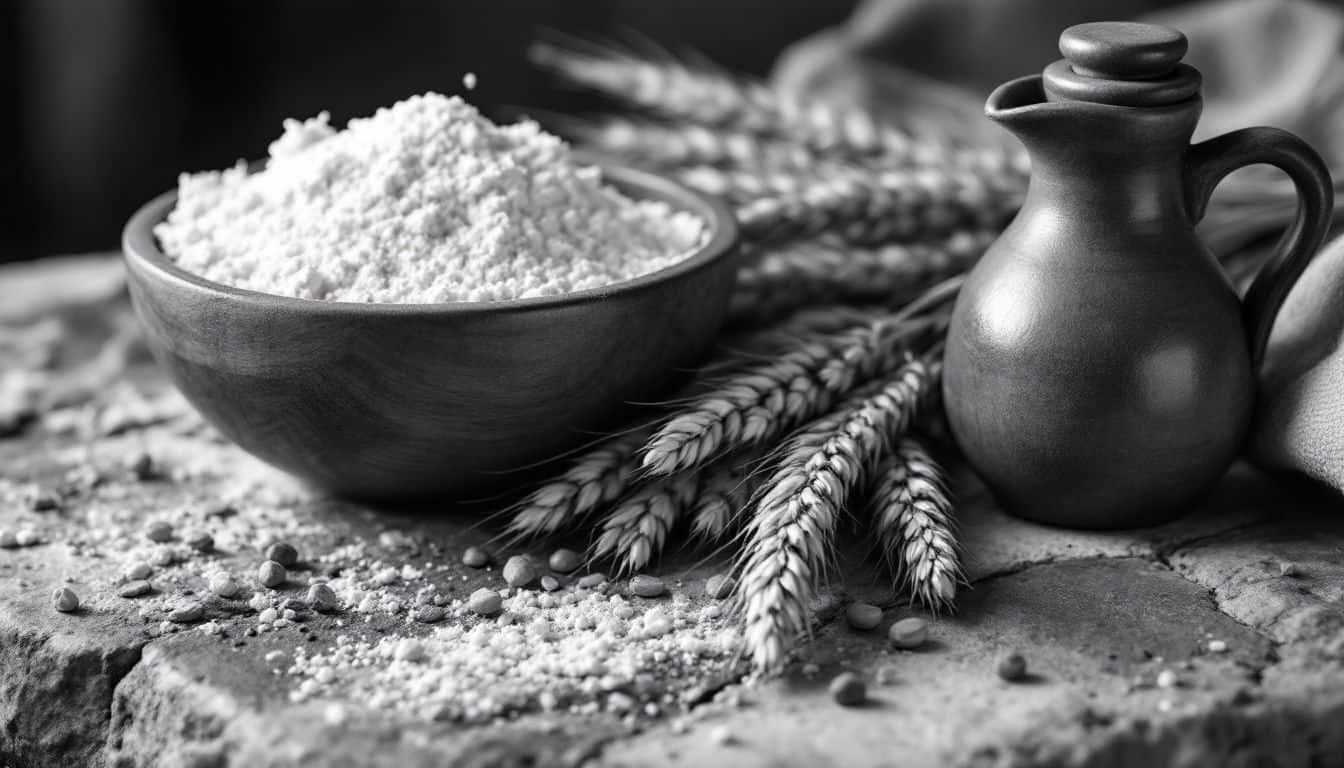
- The mincha (flour offering). Fine flour, oil and frankincense (Vayikra 2:1): the plant-based offering, accessible to those for whom an animal is beyond their means.
- The shelamim (“peace offerings”). The animal is shared: one part burned on the altar, one part for the kohanim, and the rest eaten by the person bringing it and his guests within the sacred precinct (Vayikra 3:1; 7:11-15). Within this family falls the toda, the thanksgiving offering, accompanied by loaves of bread (Vayikra 7:12).
- The chatat (sin offering), for a transgression committed inadvertently: “When a person sins inadvertently…” (Vayikra 4:2).
- The asham (guilt offering), notably for someone who misappropriated a consecrated item (Vayikra 5:15) or denied a deposit by swearing falsely, and who must first return the property with an added fifth (Vayikra 5:20-26).
In addition there are the public offerings, funded by the entire community. The most important is the tamid, “the perpetual offering”: “two lambs of the first year each day, without blemish… one in the morning, the other between the two evenings” (Bamidbar 28:3-4; Shemot 29:38-39), while a perpetual fire burns on the altar (“a perpetual fire shall burn on the altar; it shall not go out,” Vayikra 6:6). On Shabbat two more lambs are added (Bamidbar 28:9-10), and the festivals have their own offerings. Finally, the korban Pesach, the Paschal lamb of the Seder night, is a sacrifice in its own right (Shemot 12); we return to it below.
How an offering was performed
The person bringing the offering led the animal “to the entrance of the Tent of Meeting” (Vayikra 1:3), laid his hands on its head (“he shall lean his hand on the head of the ola, and it shall be accepted for him, to atone for him,” Vayikra 1:4), and then the animal was slaughtered “on the north side of the altar, before Hashem,” and “Aharon’s sons, the kohanim, shall sprinkle its blood on the altar all around” (Vayikra 1:11). The animal was then cut up, washed, and the kohen “caused it to go up in smoke” on the altar (Vayikra 1:9). The Mishna goes on to detail, for the offerings whose blood is applied to the altar, the number of applications of blood needed for atonement (Mishna Zevachim 4:1).
Remember three ideas. Blood, which is life (“for the soul of the flesh is in the blood,” Vayikra 17:11), receives special treatment: it is reserved for the altar and forbidden for consumption. The service of the altar belongs to the kohanim, descendants of Aharon. And the offering must be without blemish: a person brings the best he has.
One last point, often forgotten: the offering was within everyone’s reach. For someone whose means do not stretch to two turtledoves, the Torah accepts “a tenth of an ephah of fine flour” (Vayikra 5:11). The Sages draw from this a lesson of general scope:
“Of the animal ola it is said: ‘a fire offering of pleasing aroma’; of the bird ola: ‘a fire offering of pleasing aroma’; of the mincha: ‘a fire offering of pleasing aroma’ — to teach you that whether one gives much or little, it is the same, provided that he directs his heart toward Heaven.”
(Mishna Menachot 13:11) — נֶאֱמַר בְּעוֹלַת הַבְּהֵמָה אִשֵּׁה רֵיחַ נִיחֹחַ, וּבְעוֹלַת הָעוֹף אִשֵּׁה רֵיחַ נִיחֹחַ, וּבַמִּנְחָה אִשֵּׁה רֵיחַ נִיחֹחַ, לְלַמֵּד, שֶׁאֶחָד הַמַּרְבֶּה וְאֶחָד הַמַּמְעִיט, וּבִלְבַד שֶׁיְּכַוֵּן אָדָם אֶת דַּעְתּוֹ לַשָּׁמָיִם
This is the key to reading the whole subject: what is “pleasing” (nicho’ach) is neither the quantity nor the smoke, but the orientation of the heart.
Why sacrifices? Three major readings
The Torah gives no systematic reason; the commentators have proposed several, and they do not agree. These reasons (ta’amei hamitzvot) belong to the reflection of the masters, not to halakha itself: they are not taught as laws.
The Rambam: a gradual pedagogy
For the Rambam, who speaks in the Guide for the Perplexed (III, 32 and III, 46), sacrifices are not the goal of the Torah but a means. To a humanity that knew no other worship than sacrifice, G-d did not command abandoning at once everything that structured its religious life. He kept the form and changed the recipient:
“For this reason G-d allowed these forms of worship to remain: He transferred to His service what had formerly served the worship of created beings and imaginary things, and commanded us to serve Him in the same manner: to build Him a temple (‘let them make Me a sanctuary,’ Shemot 25:8), to set up the altar in His name, to offer Him sacrifices, to prostrate ourselves before Him and to burn incense before Him.”
(Rambam, Guide for the Perplexed III, 32, after M. Friedländer’s English translation; the original is in Judeo-Arabic)
The Rambam immediately specifies the hierarchy: prayers and supplications are “closer to the primary object” than sacrifices, hence the restrictions placed on sacrifice (a single place, a single family of priests). This is why, for him, the prophets could speak harshly of sacrifices without contradiction (we return to this below). And he explains the choice of species (ox, sheep, goat, dove) by the surrounding cults: what the idolaters venerated, Israel must offer to G-d (Guide III, 46).
The Ramban: man sees himself on the altar
The Ramban (Nachmanides) rejects this reading in his commentary on Vayikra 1:9. He objects that Noach offers a sacrifice as soon as he leaves the ark, before any Chaldean or Egyptian (Bereshit 8:20-21), and that Hevel had already brought from his firstborn (Bereshit 4:3-4): sacrifice was therefore not born of idolatry. Above all, he refuses to reduce offerings that the Torah calls “a fire offering of pleasing aroma” to a remedy for errors of the mind. He then proposes the explanation “that it is more fitting to accept”:
“Since people’s deeds are completed through thought, speech and action, G-d commanded that when a person has sinned and brings an offering, he lean his hands upon it to correspond to the deed, confess with his mouth to correspond to speech, burn in fire the entrails and kidneys, which are the instruments of thought and desire, and the legs, to correspond to the hands and feet of the person that perform all his work, and sprinkle the blood on the altar to correspond to his blood in his soul. All this, so that as he does it, he may reflect that he sinned against his G-d with his body and his soul, and that he would have deserved to have his blood spilled and his body burned, were it not for the kindness of the Creator, who accepted from him a substitute and a ransom: this offering, so that its blood be in place of his blood, a soul in place of a soul.”
(Ramban on Vayikra 1:9) — כִּי בַּעֲבוּר שֶׁמַּעֲשֵׂי בְּנֵי אָדָם נִגְמָרִים בְּמַחְשָׁבָה וּבְדִבּוּר וּבְמַעֲשֶׂה, צִוָּה הַשֵּׁם כִּי כַּאֲשֶׁר יֶחֱטָא יָבִיא קָרְבָּן יִסְמֹךְ יָדָיו עָלָיו כְּנֶגֶד הַמַּעֲשֶׂה, וְיִתְוַדֶּה בְּפִיו כְּנֶגֶד הַדִּבּוּר, וְיִשְׂרֹף בָּאֵשׁ הַקֶּרֶב וְהַכְּלָיוֹת שֶׁהֵם כְּלֵי הַמַּחֲשָׁבָה וְהַתַּאֲוָה, וְהַכְּרָעַיִם כְּנֶגֶד יָדָיו וְרַגְלָיו שֶׁל אָדָם הָעוֹשִׂים כָּל מְלַאכְתּוֹ, וְיִזְרֹק הַדָּם עַל הַמִּזְבֵּחַ כְּנֶגֶד דָּמוֹ בְּנַפְשׁוֹ
The logic is remarkable: the ritual is a mirror. The person who lays his hands on the animal, confesses, and sees the entrails burn and the blood flow no longer watches the sacrifice from outside: he reads on himself what his transgression might have cost him. The Ramban presents it as what “the sages say” (the editors recognize here the thought of Ibn Ezra), and describes it as “words to be accepted, which captivate the heart like words of aggada”: its strength is moral and pedagogical. Later commentators have often sought to reconcile the Rambam and the Ramban rather than to decide between them.
The mystical and Chassidic reading
The Ramban immediately adds a reading “according to the way of truth” (al derech ha’emet), that is, Kabbalah, which he alludes to only obliquely: a secret is said to be hidden in the offerings. He relies on a teaching of Shimon ben Azzai: throughout the entire section on sacrifices, the Torah uses only the four-letter Name, never E-l, Elokim or Shaddai, “so as not to give the dissenters an opening” (Sifrei Pinchas; Talmud, Menachot 110a, cited by the Ramban on Vayikra 1:9). For the Ramban, there is a secret here that the mystical tradition develops; we do not expound it further here.
Chassidic currents readily develop the idea that the animal represents the animal side of a person (his impulses, his appetites), which is to be “brought near” to G-d rather than suppressed; the offering becomes inner transformation. This reading is common in Chassidut, but it is homiletical: it does not replace the law.
Sefer Ha-Chinuch: G-d needs nothing
The Sefer Ha-Chinuch (mitzvah 95, which counts the building of the Temple among the 613 commandments: see The 613 Mitzvot) sets the framework: the whole divine desire that man fulfill the mitzvot has only one aim, to do good to man; G-d has no need of our commandments. This is the same thread as Tehilim 50: sacrifice is a path for man, not food for G-d.
Do the prophets speak against sacrifices?
The prophets are often cited to claim that G-d did not want sacrifices. The texts are real and harsh:
- “What do I need your many sacrifices for? says Hashem. I am sated with burnt offerings of rams” (Yeshayahu 1:11) — and the prophet continues: “Learn to do good, seek justice” (1:17).
- “For I desired kindness (chesed) and not sacrifice, the knowledge of G-d rather than burnt offerings” (Hoshea 6:6).
- “I did not speak to your fathers, I did not command them, on the day I brought them out of Egypt, concerning burnt offering and sacrifice” (Yirmeyahu 7:22).
- “If you offer Me burnt offerings, I will not accept them… Let justice flow like water, and righteousness like an unfailing stream” (Amos 5:22-24).
- “To obey is better than sacrifice” (Shmuel I 15:22); “to do righteousness and justice is more desirable to Hashem than sacrifice” (Mishlei 21:3).
“What do I need your many sacrifices for, says Hashem? I am sated with burnt offerings of rams and the fat of fattened beasts, and the blood of bulls, lambs and goats I do not desire.”
(Yeshayahu 1:11) — לָמָּה־לִּי רֹב־זִבְחֵיכֶם יֹאמַר ה׳ שָׂבַעְתִּי עֹלוֹת אֵילִים וְחֵלֶב מְרִיאִים וְדַם פָּרִים וּכְבָשִׂים וְעַתּוּדִים לֹא חָפָצְתִּי
Should we read an abolition here? That is not the tradition’s reading. The same prophets, Yeshayahu foremost, announce that in the future the offerings of the nations will be accepted on G-d’s altar, for “My house shall be called a house of prayer for all peoples” (Yeshayahu 56:7). The prophet Malachi looks forward to the day when “the offering of Yehuda and Yerushalayim will be pleasing to Hashem, as in days of old” (Malachi 3:4). What the prophets denounce is sacrifice that has become a screen: the person who multiplies burnt offerings while oppressing the orphan and the widow. The tradition therefore reads these verses as a hierarchy: the offering has value only if it accompanies justice. This is exactly what the Mishna says about the intention of the heart (Menachot 13:11, cited above).
The Rambam, for his part, resolves the difficulty of Yirmeyahu 7:22 in two ways in the Guide (III, 32): either the primary purpose of the commandment is obedience (“Listen to My voice”), sacrifice being only a means; or this verse refers to the first commandments, given at Mara before Sinai, which contained no law of sacrifice. In both cases, these verses are not an abrogation.
Another famous text sums up the position of the Sages after the ruin. Rabban Yochanan ben Zakkai, leaving Jerusalem with Rabbi Yehoshua before the ruined Temple, hears the latter cry out: “Woe to us, the place where Israel’s sins were atoned for is destroyed!” Rabban Yochanan answers him:
“Do not grieve, my son: we have another atonement that is its equal. Which? Acts of kindness (gemilut chasadim), as it is said: ‘For I desired kindness and not sacrifice’ (Hoshea 6:6).”
(Avot de-Rabbi Natan A, 4) — א״ל בני אל ירע לך יש לנו כפרה אחת שהיא כמותה ואיזה זה גמ״ח שנאמר כי חסד חפצתי ולא זבח
(We cite version A of the Avot de-Rabbi Natan, as given on Sefaria; “gemach” is the abbreviation of gemilut chasadim.) Note that Shimon Hatzaddik, high priest of the Second Temple, already taught that “the world stands on three things: on Torah, on service (avoda) and on acts of kindness” (Pirkei Avot 1:2). The avoda here is the Temple service, and it is placed in the middle: neither isolated nor dominant.
Does a sacrifice erase sins?
This is where the most persistent misunderstandings are concentrated. Let us recall what the Torah says, then what the oral law says about it.
The chatat concerns only inadvertence. The sin offering covers “one who sins inadvertently” (Vayikra 4:2). A sin committed deliberately is not repaired by an animal but by teshuva, return: see What is teshuva?.
Confession is required. For every transgressor who brings an offering, the Torah demands confession: “he shall confess that in which he has sinned” (Vayikra 5:5). The Rambam makes this the key to reading the entire subject:
“Those who bring sin offerings and guilt offerings, when they bring them for their unintentional or intentional sin, do not obtain atonement through their offering until they have repented and confessed verbally, as it is said: ‘he shall confess that in which he has sinned.'”
(Rambam, Mishneh Torah, Hilchot Teshuva 1:1) — בַּעֲלֵי חַטָּאוֹת וַאֲשָׁמוֹת בְּעֵת שֶׁמְּבִיאִין קָרְבְּנוֹתֵיהֶן עַל שִׁגְגָתָן אוֹ עַל זְדוֹנָן אֵין מִתְכַּפֵּר לָהֶן בְּקָרְבָּנָם עַד שֶׁיַּעֲשׂוּ תְּשׁוּבָה וְיִתְוַדּוּ וִדּוּי דְּבָרִים
The great Day of Atonement is not automatic. Even Yom Kippur atones only for the one who repents: “One who says: I will sin and Yom Kippur will atone, Yom Kippur does not atone”; and for sins against others, one must first appease one’s fellow (Mishna Yoma 8:8-9). The Mishna adds the saying of Rabbi Akiva: “Happy are you, Israel! Before whom do you purify yourselves, and who purifies you? Your Father in heaven” (Mishna Yoma 8:9).
The scapegoat is not a sacrifice. The Yom Kippur rite of the two goats (Vayikra 16) is often misunderstood. One of the two is offered as a chatat on the altar; the other, over which the high priest confesses the people’s sins, is sent to the wilderness (Vayikra 16:21-22) and, according to the Mishna, thrown off a cliff (Mishna Yoma 6:6). It is not an innocent animal “punished in place of” the guilty: it is a rite of removal of sin.
In Judaism, then, atonement passes first through teshuva, and sacrifice is only an accompaniment in a specific situation. This distinction explains why Judaism was able to go on living without sacrifices after the year 70 without forgiveness ceasing to be possible. This question lies at the heart of a long-standing disagreement with Christianity. The Jewish position, which we set out here without polemic, is that no blood is needed for a penitent to be forgiven: this is the lesson of Rabban Yochanan ben Zakkai and of the Mishna we have just read.
What Rav Raphaël Benizri teaches
Rav Benizri did not devote lectures to sacrifices as such, but several of his published lectures touch on them, and we report them without adding anything.
- The sanctuary first as a place of elevation, not atonement. In his lecture on the parasha Tetzaveh, the Rav challenges the assumption that the sanctuary was above all a place of sacrifices and forgiveness of sins. For him, it is first a makom, a place where one rises: the gift that builds it is called terumah, “elevation.” He notes that the first element of the sanctuary appears right after the revelation at Sinai: an altar of uncut stone, “simply an altar, and not an instrument for atoning for sins.” See the lecture: Tetzaveh: elevating oneself.
- Sacrifices funded in equal shares. In the same lecture, the Rav recalls that the gifts for the sanctuary were of three kinds, two of which required strict equality: a half-shekel for the sockets, a half-shekel to fund the sacrifices, that is, the running of the sanctuary. The rich could not give more, the poor not less.
- Openness to the nations. The Rav stresses that a non-Jew could offer an ola (burnt offering) in the Temple; only one sacrifice remained closed to him, the one that is shared: the shelamim, divided into three portions (altar, kohen, owners), because “eating before G-d, sharing the meal in His presence” is an idea the pagan world had not arrived at. See the same lecture and, on Solomon making room for any foreigner wishing to bring a sacrifice, Vayakhel: the Tabernacle beyond space.
- The Temple was not a slaughterhouse. Answering a question during his lecture on the origin of the destruction, the Rav says that the sanctuary was certainly not “a slaughterhouse dedicated to G-d”: the sacrifices took place in an annex of the Temple, and what mattered above all was the presence of G-d, the point of reference and convergence of all Israel, and the unity rediscovered at each pilgrimage festival. See the lecture: Tisha B’Av: the origin of the destruction.
- Sacrifices and men of power. In that same lecture, the Rav also comments on the story of Kamtza and Bar Kamtza (Talmud, Gittin 55b-56a), in which the refusal to offer an animal with a slight blemish, in the affair of a sacrifice sent by the emperor, leads to war. He reads in it the intolerance between Jewish currents that delivered Jerusalem, more than a mere point of ritual.
- The three pillars of the world. In his lecture on Pirkei Avot, he observes that Shimon Hatzaddik, a high priest, could have put prayer, sacrifice or the Temple ritual first, and did not: he puts Torah first, and with it the chain of transmission that allows the people to rise again after every trial. See the lecture: Pirkei Avot: the three pillars of the world.
Without a Temple: what do we do today?
No sacrifice is offered today
Since the destruction of the Second Temple, in the year 70 of the Common Era, no sacrifice has been offered in Judaism. The perpetual sacrifice had even ceased before the destruction: Josephus indicates that the tamid failed on the 17th of Tammuz of the year 70 (The Jewish War, VI, 2, 1), a date that Rav Benizri recalls in connection with the fast of the 17th of Tammuz (lecture on the destruction of the first Temple). For the Orthodox tradition, offering a sacrifice requires a Temple, an altar and priests in a state of purity; there are none.
The Mishna reports, however, that Rabbi Yehoshua had heard that “one may offer sacrifices even if there is no Temple,” since the first sanctification sanctified the place “for its time and for the time to come” (Mishna Eduyot 8:6). The Rambam concludes that the holiness of the Temple and of Jerusalem remains forever, because it rests on the Divine Presence and that is never annulled (Hilchot Beit Habechira 6:14-16; 7:7). But in practice this reasoning never led the great authorities to re-establish the altar: the debate remained theoretical. In the nineteenth century, Rabbi Zvi Hirsch Kalischer proposed, in Derishat Tziyon (1862), resuming the Pesach sacrifice in Jerusalem even before the coming of the Messiah; his thesis met strong reservations and was not acted upon.
Prayer, study and kindness take the place of offerings
The Prophet Hoshea had already opened the way: “Take words with you and return to Hashem… and we will pay for bulls with our lips” (Hoshea 14:3). The Talmud formulates the correspondence: prayers were instituted either by the patriarchs or “to correspond to the perpetual offerings” (Berachot 26b):
“It was said: Rabbi Yose son of Rabbi Chanina says: the prayers were instituted by the patriarchs. Rabbi Yehoshua ben Levi says: the prayers were instituted to correspond to the perpetual offerings (temidin).”
(Berachot 26b) — אִיתְּמַר, רַבִּי יוֹסֵי בְּרַבִּי חֲנִינָא אָמַר: תְּפִלּוֹת אָבוֹת תִּקְּנוּם. רַבִּי יְהוֹשֻׁעַ בֶּן לֵוִי אָמַר: תְּפִלּוֹת כְּנֶגֶד תְּמִידִין תִּקְּנוּם
This is why there are three daily services, including the Musaf Amida of Shabbat and festivals, which corresponds to the additional offerings. The psalmist says likewise: “Let my prayer be established before You as incense, the lifting of my hands as the evening offering” (Tehilim 141:2).
Study, too, is counted as an offering. Rabbi Shimon ben Lakish (Resh Lakish) teaches that “whoever studies Torah is as if he had offered an ola, a mincha, a chatat and an asham” (Menachot 110a). And when Avraham asks G-d what will become of Israel when there is no longer a Temple, the answer is:
“Master of the world, that is fine for the time when the Temple exists; but when it no longer exists, what will become of them? — I have already instituted for them the order of the sacrifices: whenever they read it before Me, I consider it as if they had offered it before Me, and I forgive them all their sins.”
(Ta’anit 27b) — אָמַר לְפָנָיו: רִבּוֹנוֹ שֶׁל עוֹלָם! תִּינַח בִּזְמַן שֶׁבֵּית הַמִּקְדָּשׁ קַיָּים. בִּזְמַן שֶׁאֵין בֵּית הַמִּקְדָּשׁ קַיָּים מָה תְּהֵא עֲלֵיהֶם? אָמַר לוֹ: כְּבָר תִּקַּנְתִּי לָהֶם סֵדֶר קָרְבָּנוֹת, בִּזְמַן שֶׁקּוֹרְאִין בָּהֶן לְפָנַי — מַעֲלֶה אֲנִי עֲלֵיהֶם כְּאִילּוּ הִקְרִיבוּם לְפָנַי וַאֲנִי מוֹחֵל לָהֶם עַל כָּל עֲוֹנוֹתֵיהֶם
Hence the custom of reciting every day, in the Ashkenazi, Sephardi and Chassidic rites, passages about the sacrifices (the tamid, the incense) in the morning prayer. The differences from one rite to another concern the detail of the texts and melodies; the idea is the same. In the traditional liturgy, one also asks for the rebuilding of the Temple and the return of the service (“Vehasheiv kohanim la’avodatam”); the liberal movements have generally removed or reworded these requests, which is not the position of Orthodox halakha.
Customs that recall sacrifice
- The Pesach Seder preserves the memory of the Paschal lamb: the afikoman, the last food of the meal, is eaten in memory of the last piece of the Paschal lamb that was eaten in the Temple (Mishna Pesachim 10:8). No Paschal lamb is offered, because the sacrifice takes place only at the Temple.
- Kapparot, before Yom Kippur. Some communities swing a rooster (or money) over the head while saying verses, then give the price to the poor. This is not a korban: the Shulchan Aruch (Orach Chaim 605:1) writes that “this custom should be prevented”; the Rema replies that Geonim and many Acharonim reported it, that it is an ancient custom that is not changed, and that one may also redeem the animals with money given to the poor. Practice varies from one community to another; consult your rabbi.
Will sacrifices return?
For the Rambam, yes: “The King Messiah will arise… he will build the Temple and gather the dispersed of Israel… the sacrifices will be offered” (Hilchot Melachim 11:1). This is the most widespread position in the Orthodox tradition.
“The King Messiah will arise to restore the kingdom of David… He builds the Temple and gathers the exiles of Israel. All the laws return in his days as they were of old: sacrifices are offered, sabbatical years and jubilees are observed.”
(Rambam, Hilchot Melachim 11:1) — הַמֶּלֶךְ הַמָּשִׁיחַ עָתִיד לַעֲמֹד וּלְהַחְזִיר מַלְכוּת דָּוִד לְיָשְׁנָהּ לַמֶּמְשָׁלָה הָרִאשׁוֹנָה. וּבוֹנֶה הַמִּקְדָּשׁ וּמְקַבֵּץ נִדְחֵי יִשְׂרָאֵל. וְחוֹזְרִין כָּל הַמִּשְׁפָּטִים בְּיָמָיו כְּשֶׁהָיוּ מִקֹּדֶם. מַקְרִיבִין קָרְבָּנוֹת
Other readings exist. An ancient midrash states that “in the future, all the sacrifices will be annulled, except the thanksgiving offering (korban toda),” just as all prayers will be, except thanksgiving (Vayikra Rabba 9:7):
“In the future, all the sacrifices will be annulled, but the thanksgiving sacrifice will not be annulled; all the prayers will be annulled, but thanksgiving will not be annulled.”
(Vayikra Rabba 9:7) — לֶעָתִיד לָבוֹא כָּל הַקָּרְבָּנוֹת בְּטֵלִין וְקָרְבַּן תּוֹדָה אֵינוֹ בָּטֵל, כָּל הַתְּפִלּוֹת בְּטֵלוֹת, הַהוֹדָאָה אֵינָהּ בְּטֵלָה
Rav Avraham Yitzchak Hacohen Kook, in his commentary on the siddur (Olat Re’iya, volume 1, p. 292, following Marc Shapiro’s study), envisioned that in the future the offerings would be only plant-based rather than animal, relying in particular on the expression “My bread, My offering” in Bamidbar 28:2. This position has been debated and does not represent the unanimous view; the Rambam, as we have seen, teaches the re-establishment of sacrifices. These debates concern the future; they change nothing about practice today.
Common misconceptions about sacrifices
“Jews sacrificed humans”
False. On the contrary, the Torah formally forbids “giving any of your children to Molech” (Vayikra 18:21) and condemns the neighboring peoples who “burn their sons and daughters in fire to their gods” (Devarim 12:31). As for the binding of Yitzchak (Bereshit 22), it ends with the prohibition: “Do not lay your hand on the boy” (Bereshit 22:12).
“Blood automatically erases sins”
False. Without remorse and confession, the offering does not atone (Rambam, Hilchot Teshuva 1:1), and deliberate sin is not repaired by the chatat (Vayikra 4:2). This is why the prophets denounce those who offered without inwardly turning back.
“Sacrifices were abolished by the prophets”
False. The prophets criticize a practice that takes precedence over justice, not the law itself (see above). The Jewish tradition has never considered sacrifices abolished, but suspended for lack of a Temple, with the hope of their return in a form that the masters debate.
Frequently asked questions about sacrifices
What does “korban” mean?
The word comes from the root karav, “to draw near.” A korban is an offering through which one draws closer to G-d. The term “sacrifice” is an imperfect translation.
Do Jews still practice sacrifices?
No. No sacrifice has been offered since the destruction of the Temple in the year 70. Prayers and the reading of the passages on the sacrifices take their place (Ta’anit 27b; Berachot 26b). Kapparot is not a sacrifice.
Can a sacrifice atone for a deliberate sin?
No, the chatat concerns inadvertence (Vayikra 4:2). For the rest, there is teshuva, confession and, on Yom Kippur, the purification of the day itself (Vayikra 16:30; Mishna Yoma 8:8).
Will sacrifices return one day?
For the Rambam, yes, with the Temple rebuilt (Hilchot Melachim 11:1). Other readings, such as that of the midrash in which only the thanksgiving offering remains (Vayikra Rabba 9:7), leave the question open. Whatever the case, it is a subject of the tradition, not a current practice.
What place is there for non-Jews?
The Torah provides that the stranger may offer just like the Israelite (Bamidbar 15:14-16; Vayikra 22:18), and the Temple was called “a house of prayer for all peoples” (Yeshayahu 56:7).
Further reading
Sacrifices are a chapter in the history of the relationship between man and G-d. To continue, here are some readings on the site.
- What is the Beit Hamikdash, the Temple in Jerusalem?
- Why do we fast on Tisha B’Av? The destructions of the Temple
- What is teshuva, repentance in Judaism?
- What is tzedakah? Charity in Judaism
- What is Pesach and how does the Seder work?
- Yom Kippur: the meaning of the Day of Atonement
- Tisha B’Av: why the 9th of Av is a day of mourning
- Glossary of Hebrew words in Judaism
Sources and references (36)
- Bereshit (Genesis) 4:3-4; 8:20-21; 22:12
- Shemot (Exodus) 12; 25:8; 29:38-39
- Vayikra (Leviticus) 1:1-11; 2:1; 3:1; 4:2; 5:5; 5:11; 5:15; 5:20-26; 6:6; 7:11-15; 16; 16:21-22; 16:30; 17:11; 18:21; 22:18
- Bamidbar (Numbers) 15:14-16; 28:2; 28:3-4; 28:9-10
- Devarim (Deuteronomy) 12:5; 12:31
- Shmuel I (I Samuel) 15:22
- Yeshayahu (Isaiah) 1:11; 1:17; 56:7
- Yirmeyahu (Jeremiah) 7:22-23
- Hoshea (Hosea) 6:6; 14:3
- Amos 5:21-24
- Malachi 3:4
- Tehilim (Psalms) 50:12-14; 51:18-19; 141:2
- Mishlei (Proverbs) 21:3
- Mishna Pirkei Avot 1:2
- Mishna Zevachim 4:1
- Mishna Pesachim 10:8
- Mishna Menachot 13:11
- Mishna Yoma 6:6; 8:8-9
- Mishna Eduyot 8:6
- Babylonian Talmud, Berachot 26b
- Babylonian Talmud, Menachot 110a
- Babylonian Talmud, Ta’anit 27b
- Babylonian Talmud, Gittin 55b-56a
- Avot de-Rabbi Natan (version A), 4
- Vayikra Rabba 9:7
- Rambam, Mishneh Torah, Hilchot Teshuva 1:1
- Rambam, Mishneh Torah, Hilchot Melachim 11:1
- Rambam, Mishneh Torah, Hilchot Beit Habechira 6:14-16; 7:7
- Rambam, Guide for the Perplexed III, 32; III, 46
- Ramban on Vayikra 1:9
- Sefer Ha-Chinuch, mitzvah 95
- Shulchan Aruch, Orach Chaim 605:1 (and Rema)
- Josephus, The Jewish War, VI, 2, 1
- Marc Shapiro, “R. Kook on Sacrifices & Other Assorted Comments,” The Seforim Blog, 2010 (on Olat Re’iya, vol. 1, p. 292)
- Tzvi Hirsch Kalischer, Derishat Tziyon, Lyck, 1862
- Lectures by Rav Raphaël Benizri: Tetzaveh: elevating oneself; Vayakhel: the Tabernacle beyond space; Tisha B’Av: the origin of the destruction; Pirkei Avot: the three pillars of the world
Article by the Pensées Juives editorial team. Passages attributed to Rav Raphaël Benizri are taken from his lectures published on this site.