
I want to explore …
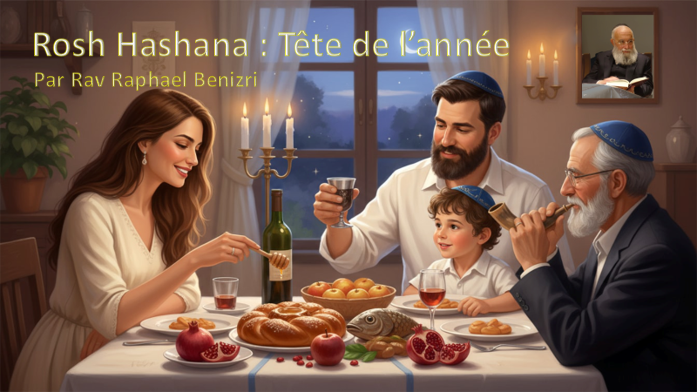
Rosh Hashanah
The New Year
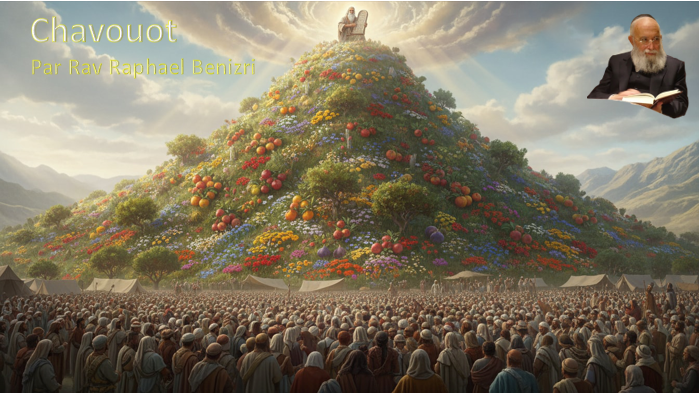
Shavuot
The Giving of the Torah
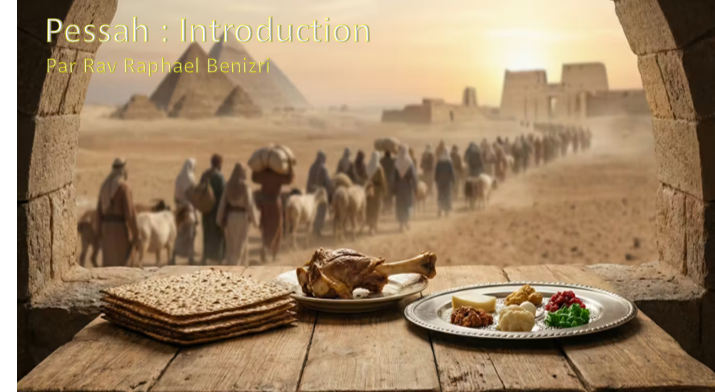
Pesach
The Festival of Freedom
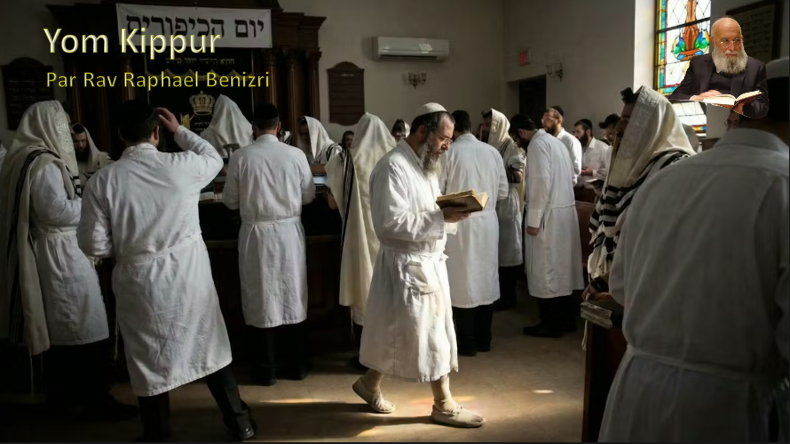
Yom Kippur
The Day of Atonement
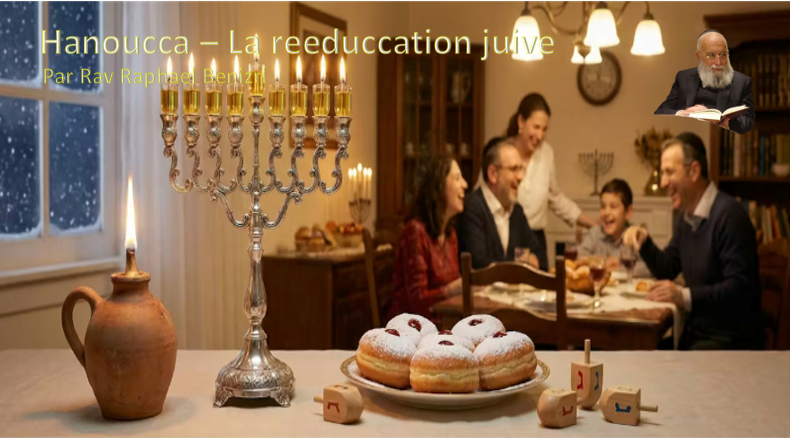
Chanukah
The Festival of Lights
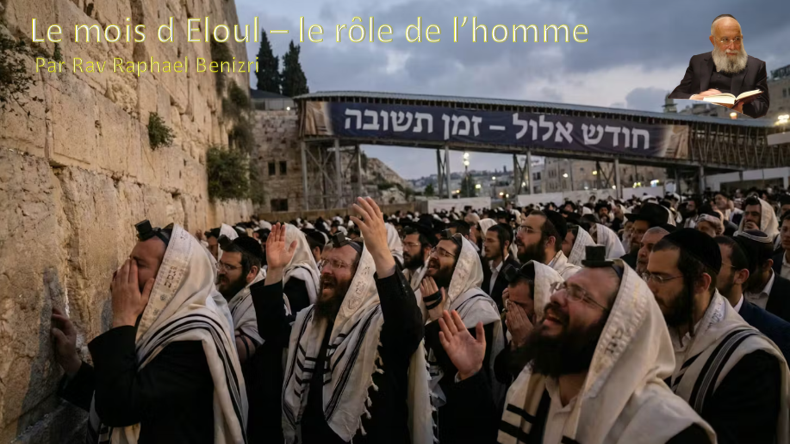
The Month of Elul
The Month of Introspection
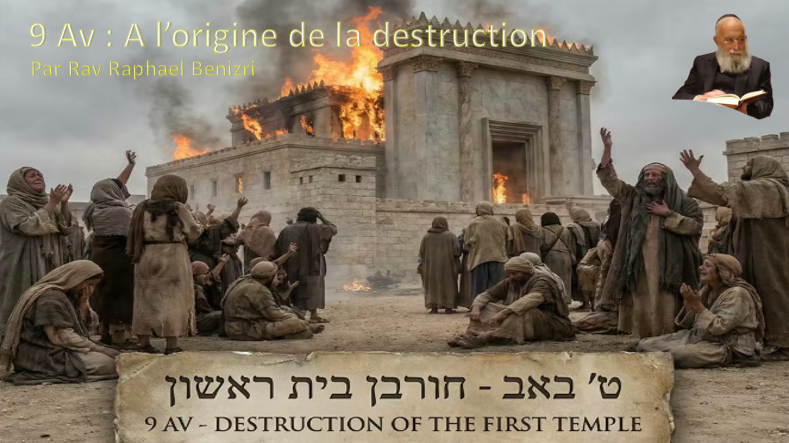
The Fast Days
Fasting, a Weapon of Memory
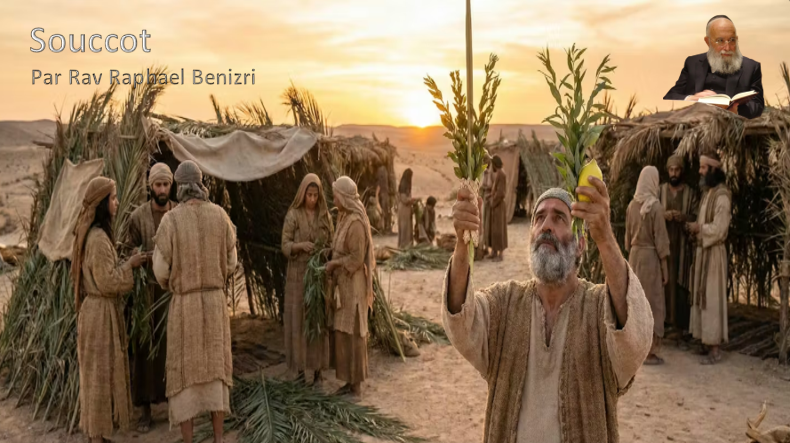
Sukkot
The Festival of Booths
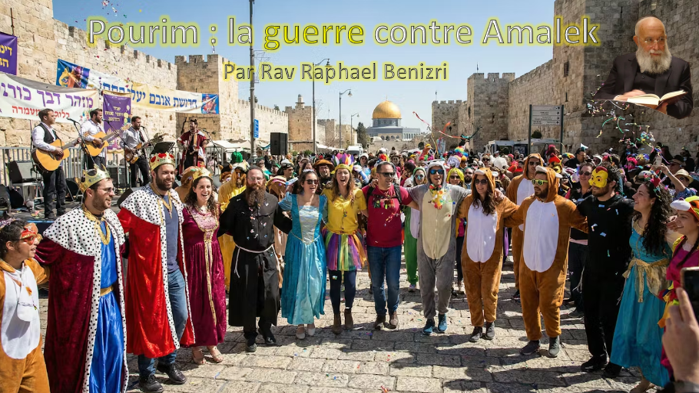
Purim
The Festival of Joy
The Omer Period
The Month of Preparation
The Jewish calendar is not a mere division of time. It is a teaching method. Each festival returns on a fixed date to work on something specific within us anew: judgment on Rosh Hashanah, forgiveness on Yom Kippur, fragility on Sukkot, freedom on Pesach, receiving on Shavuot. The year does not move in a straight line — it turns, and with each turn it passes over the same points again, a little more deeply.
Time That Teaches
The festivals do not merely commemorate ancient events. They reawaken an experience. On Pesach, the point is not to remember that others once left Egypt: it is to break free, ourselves, from whatever holds us captive. On Sukkot, the point is not to recall that our ancestors lived in booths: it is to agree, for an entire week, to live beneath a roof that lets the stars show through.
That is why the same festivals never have the same effect from one year to the next. Each time, they find a different person.
Autumn: The Days of Awe
The month of Elul leads the way and prepares the ground. Then comes Rosh Hashanah, the head of the year and a day of judgment; the ten days of self-examination; then Yom Kippur, when everything narrows down to a single question. Sukkot closes the sequence by turning it around: after solemnity comes joy, and a house of branches to remind us that security does not come from walls.
Winter and Spring
Chanukah and Purim answer one another: two festivals of survival, one against cultural erasure, the other against physical annihilation — one with a tiny light, the other with laughter. Then comes Pesach, the great departure, followed by the forty-nine days of the Omer that lead to Shavuot and the giving of the Torah. Freedom alone was not enough: something then had to be received to give it a purpose.
The Fast Days
Alongside the festivals, a few fast days keep alive the memory of destructions and ruptures. They are not there to nurture sadness, but to prevent forgetting — and to remind us that a community that remembers its fractures is better equipped to repair them.
The lectures gathered on this page take up each festival one by one and seek, beneath the customs, the idea that underlies them.
Continue studying
Rosh Hashanah, Pesach, Chanukah, the fast days — and the weekly parashah.
See also Tu BiShvat, the New Year of the Trees — Rosh Hashanah La’Ilan, the fourth of the Mishnah’s New Years.